

-
 Why is it still so hard to make nuclear weapons?
Scientists have been building nuclear weapons for more than 80 years, but crafting this technology remains a challenge.
11 Commentsphysics-mathematics -
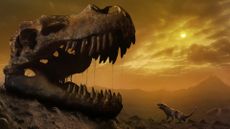 What if a giant asteroid had not wiped out the dinosaurs?
Nonavian dinosaurs have been extinct for 66 million years, but what would have happened if they'd survived?
8 Commentsdinosaurs -
 Do atoms ever touch?
Atoms make up everything around us, but do these building blocks of matter ever actually touch?
physics-mathematics -
 Can gray hair be reversed?
Gray hair is often a sign of aging, but is it possible to delay its advance or reverse the color change?
aging -
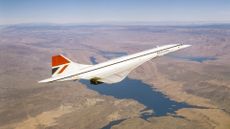 How did the Concorde fly so fast?
The Concorde was the fastest commercial plane ever flown, but its speed came with a hefty price tag.
engineering -
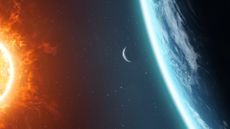 How far away is the moon?
The moon's distance from Earth changes depending on where it is in its elliptical orbit.
the-moon -
 Why does metal squeak?
Squeaking metal can be grating on the nerves, but it serves an important purpose.
chemistry -
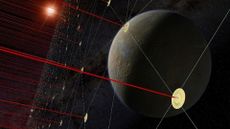 Will we ever reach Alpha Centauri, our closest neighboring star system?
Visiting our nearest stellar neighbor will take near-light-speed travel.
space-exploration -
 Why does cotton shrink?
The science of ruining your favorite shirt is more complicated than you might think.
chemistry -
 Have days on Earth always been 24 hours?
Earth's day used to be five hours shorter, and it's predicted to continue lengthening over time.
planet-earth -
 What could aliens look like?
The search for alien life is one of humanity's greatest missions, but it may look nothing like anything we've seen on Earth.
extraterrestrial-life -
 Can mirrors facing each other create infinite reflections?
Infinite mirrors are a fun party trick, but the physics behind this phenomenon explains why it may not be true.
physics-mathematics -
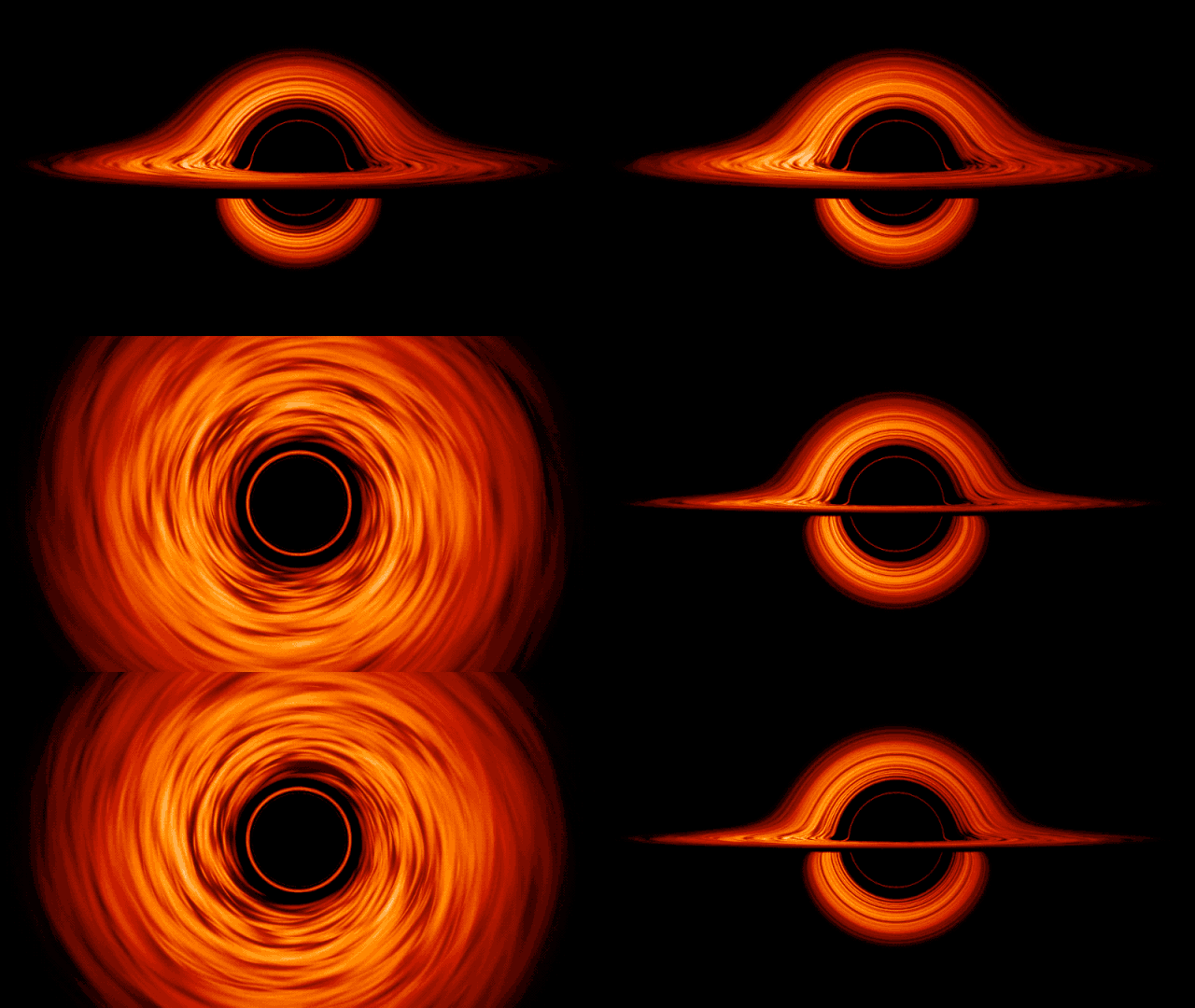 The Decade in Astronomy: These Space Discoveries Shaped the 2010s
As the 2010s come to a close, it's time to revisit how some of the biggest space science stories shaped the decade.
astronomy


