 Live Science Plus





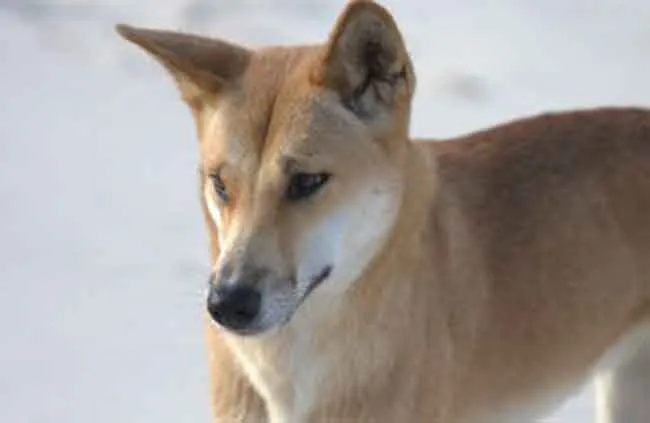
Dingoes were semidomesticated village dogs once, in Southeast Asia. Then, about 4,000 years ago, they got loose in Australia, where their behavior reverted to that of their ancestor, the wolf. They howl, live in packs, and fear humans.
But even after so long on the lam they’ve retained at least one mark of domestication: an ability to read human gestures.
At the tender age of four months, ordinary dogs will spontaneously investigate objects that we point to or even just gaze at. In contrast, wolves—even when reared by people—only attend to such gestures after months of intensive training.
Article continues belowBradley P. Smith and his graduate adviser, Carla A. Litchfield of the University of South Australia in Magill, wondered how dingoes measure up. They presented seven tame but untrained dingoes with two flowerpots, one containing meat. (Both were meat-scented to preclude olfactory clues.) In a series of trials, an experimenter tried out ten gestures to indicate the pot hiding the treat. The dingoes raced straight to it in response to most of the gestures, such as pointing at, tapping on, or standing directly behind the pot. When the experimenter merely gazed at it, however, the dingoes didn’t get the message.
In the course of domestication, dogs’ ability to understand human gestures was probably selected for. In spite of their wild ways, dingoes have kept most of that skill. It’s nice to know that our long-lost best friends still have a connection with us.
The research was published in the journal Animal Cognition.
This article was provided to LiveScience by Natural History Magazine.
