













Brain’s Master Switch Discovered
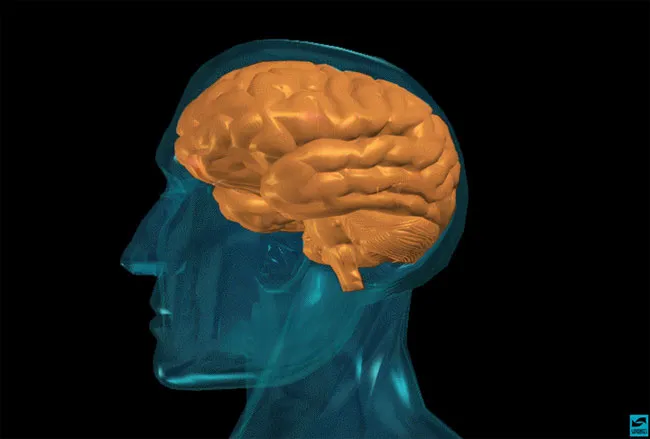
Science has unlocked one of the doors to the human brain, allowing an entirely new insight into how the brain works.
Yeon-Kyun Shin, professor of biochemistry, biophysics and molecular biology at Iowa State University, has discovered that the protein called synaptotagmin1 (Syt1) is the sole trigger for the release of neurotransmitters in the brain.
The job of a neurotransmitter is to basically activate receptors, and essentially equates to brain activity. The responsibilities are limited to the connections that communicate with the neurotransmitter. For example, in the brain there are certain neurotransmitters that are key in dealing with the development of illnesses such as Parkinson’s disease, schizophrenia, autism, epilepsy and more.
Prior to his findings, this particular protein was believed to only play a role in the brain’s functions. The study has been published in the current issue of the journal Science.
“Syt1 was a suspect previously, but people were not able to pinpoint that it’s the real one, even though there were lots and lots of different trials,” said Shin, who has been studying brain activity for 15 years.
Shin was able to figure this out by applying the single vesicle fusion method, a lab tests that excludes or includes a series of proteins and calcium.
(In previous years, Shin discovered taking cholesterol-reducing drugs can inhibit brain function).
Get the world’s most fascinating discoveries delivered straight to your inbox.
“We are quite excited that for the first time we are showing that Syt1 is really what triggers the signal in the brain. This is a really important thing in terms of neurosciences. This is the heart of the molecular part of the brain function,” he said.
- Top 10 Mysteries of the Mind
- 10 Ways to Keep Your Mind Sharp
- Tune Brain To Filter Distractions