













Morning Light Keeps Teens Awake

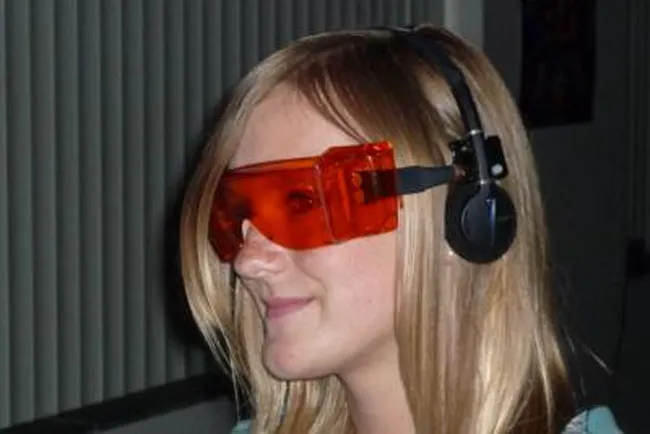
As if there weren't enough things to keep teenagers awake at night (constant text messages and online chatting, to name a few), not getting enough morning light may contribute to lack of shut-eye at night for this group, researchers have found.
"As teenagers spend more time indoors, they miss out on essential morning light needed to stimulate the body's 24-hour biological system, which regulates the sleep/wake cycle," said study researcher Mariana Figueiro of Rensselaer Polytechnic Institute in Troy, N.Y. "These morning-light-deprived teenagers are going to bed later, getting less sleep and possibly under-performing on standardized tests. We are starting to call this the teenage night owl syndrome."
The study found that eleven 8th grade students who wore special glasses to prevent short-wavelength (blue) morning light from reaching their eyes experienced a 30-minute delay in getting to sleep at night by the end of the five-day study. Removing blue light delays the onset of melatonin, the hormone that indicates to the body when it's nighttime, Figueiro said.
The work is the first field study to specifically look the effects of blue light on teenage sleep habits, and the results validate the findings of previous lab-based studies. However, the study sample was small, so more work is needed to firm up the results.
Why are teens missing Mother Nature's morning light? Many middle schools and high schools begin the day very early in the morning. And so these students are likely traveling to and arriving at school before the sun is up or as it's just rising, the researchers say. They are essentially indoors during peak morning sunlight.
In addition, the schools are not likely providing adequate electric light or windows to let in daylight. Since our biological system requires more light to function than our visual system, having enough light in the classroom to read and study does not guarantee that there is sufficient light to stimulate our biological system. This system regulates body temperature, alertness, appetite, hormones and sleep patterns, the researchers say.
Throughout her research, Figueiro has repeatedly come face-to-face with the enormous concern voiced by parents over their teenagers going to bed too late. "Our findings pose two questions: 'How will we promote exposure to morning light, and how will we design schools differently?'" she said.
Get the world’s most fascinating discoveries delivered straight to your inbox.
Figueiro added, "Delivering daylight in schools may be a simple, non-pharmacological treatment for students to help them increase sleep duration."
The field experiment was conducted at Smith Middle School in Chapel Hill, North Carolina, a school with good daylight design. The school building has south-facing skylights to deliver daylight to nearly all interior spaces throughout the day.
The results were recently published in the journal Neuroendocrinology Letters. The study was funded by the U.S. Green Building Council and the National Institutes of Health Genes, Environment and Health Initiative.
- How Much Sleep Do I Need?
- Lost Sleep Can't Be Made Up, Study Suggests
- Study: Why Teens Don't Care
