













Hybrid Cars: How They Work and What They Really Cost

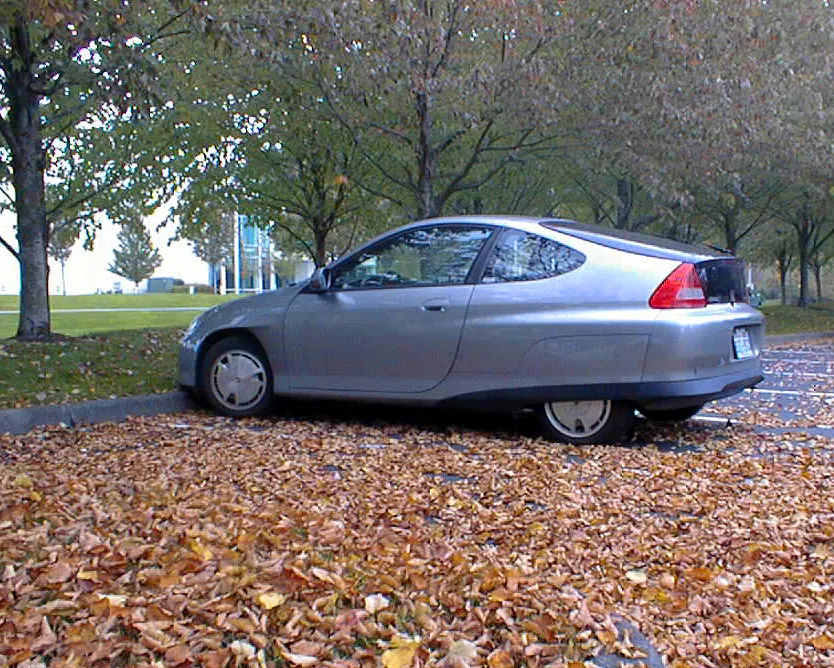
With gas prices near or above $3 per gallon, many consumers are looking for ways to reduce their costs at the pump through alternatives to traditional gas-powered vehicles. But the options are dizzying, and many people are still very green when it comes to the various alternative fuel technologies.
One of the most widely available and popular alternatives to gasoline-powered cars is hybrid technology. Cars that run on a combination of two or more sources of power are considered hybrid.
According to the Bureau of Transportation, there are almost 200 million vehicleson the road, of which 133 million are passenger cars. Of these, about 300,000 are hybrids.
Honda and Toyota spearheaded the hybrid market over the past few years, but others automakers have also joined the hybrid race.
Currently there are six viable model options and 10 total to choose from, said Bradley Berman, editor of HybridCars.com.
The choices
Generally speaking, hybrid cars run on rechargeable batteries and gasoline.
Get the world’s most fascinating discoveries delivered straight to your inbox.
The type of hybrid depends on how the two sources of power connect, when each one is in operation and for how long, and finally, what portion of power is supplied by which hybrid component.
There are four types of hybrid systems:
- Stop-start: shuts engine off when the car comes to a full stop and would otherwise idle.
- Integrated Starter Alternator with Damping (ISAD): has the stop-start feature and an electric motor.
- Integrated Motor Assist: The functions are identical to the ISAD but it has a larger electric motor for better performance.
- Full hybrid system: cars generally run on electric power at low speeds with the gas engine kicking in at higher speeds.
Incentives
The incentives of purchasing a hybrid car could be philosophical, financial, or environmental. Berman recognizes that not everyone is willing to go completely green right away.
| Other Considerations |
| Fuel, purchase price, and tax incentives are not the only factors to consider. But other savings and expenses can be difficult to estimate. Insurance costs are generally lower for hybrids. Battery replacement and electricity usage expenses can tip the scale the other way. According to hybridcars.com, however, the hybrid battery packs generally last 150,000 to 200,000 miles. |
"Everyone should take little steps," Berman told LiveScience. "Buy the most efficient fuel car. It doesn't have to be hybrid. If you don't need an SUV, don't get an SUV."
Some car buyers might want to look at the decision from a purely financial standpoint. Here is an example of how one choice might work out:
The average American drives 15,000 miles each year, with 45 percent of that on highways. The traditional Honda Civic costs about $17,110, and it gets about 30 miles per gallon in the city and 40 highway. At $2.92 a gallon, this subcompact car costs $1,296 in gasoline in one year.
At $22,900, the Honda Civic Hybrid will initially cost a bit more, but with an average of 50 miles per gallon, a year of gas will cost $878.
In 10 years, taking into account inflation at 3 percent but not factoring in any possible changes in gas prices, the gas savings of a hybrid reaches almost $5,000.
Finally, a new federal incentive program allows you to receive a one-time $2,100 tax credit for buying a hybrid.
Tally up all the extra costs and factor in the savings—not counting additional incentives offered by some states—after 10 years, this hybrid will ultimately save you about $1,229.
- The Top 10 Tech Cars for 2006
- Tipping Point: Half of America Wants a Hybrid Car
- The Mysterious Origin and Supply of Oil
- Black Gold: Where the Oil Is
