













Can Injecting Millions of Stem Cells into the Brain Treat Parkinson's Disease?

A new experimental therapy for Parkinson's disease that involves injecting millions of special stem cells into the brain of patients with the condition is currently being tested in a clinical trial.
The study, which began in October, is conducted by researchers at Kyoto University in Japan. So far, researchers have started to treat one man in his 50s, according to AFP.
Although previous studies have tested stem cell therapies for Parkinson's, the new study is the first to use so-called induced pluripotent stem cells, or iPSCs. These are "adult" cells (like blood or skin cells, as opposed to embryonic cells) that have been reprogrammed so that they resemble cells in early development, and they have the potential to form any cell type in the body.
For the study, the researchers used iPSCs to create "dopaminergic progenitor" cells, or the cells that give rise to brain cells that produce dopamine, a brain chemical that is needed to control muscle movement. In Parkinson's disease patients, the brain cells that produce dopamine die off, leading to symptoms such as tremors and difficulty with walking, movement and coordination. [10 Things You Didn't Know About the Brain]
In the new trial, the researchers hope to show that these transplanted stem cells will help replace the lost dopamine-producing cells and restore dopamine production, according to The Michael J. Fox Foundation.
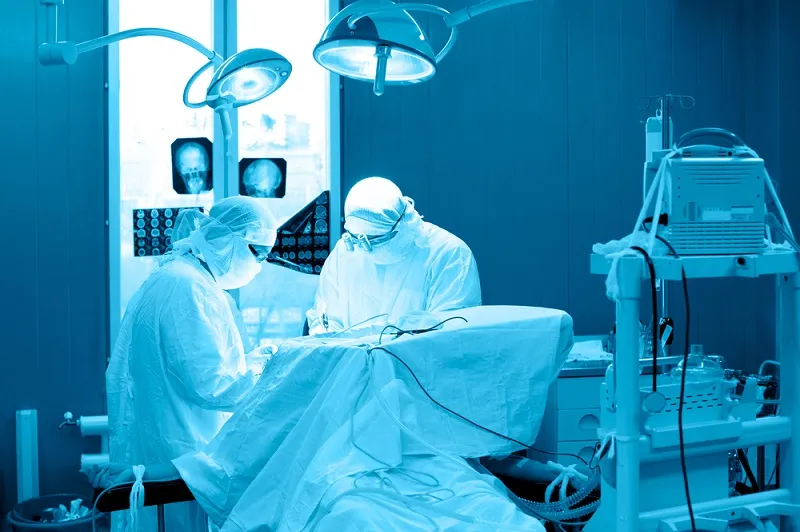
For the treatment, the researchers injected 2.4 million stem cells into the left side of the man's brain, in an operation that took 3 hours, according to AFP. The patient will now be monitored for side effects, and if no problems occur, the researchers will inject another 2.4 million stem cells into the right side of his brain.
The researchers plan to enroll a total of seven patients in the trial and to track the patients for two years.
Get the world’s most fascinating discoveries delivered straight to your inbox.
The iPSCs were derived from donors, so the patients will need to take drugs to suppress their immune system to prevent rejection of the transplanted cells, according to Kyoto University.
Originally published on Live Science.

Rachael is a Live Science contributor, and was a former channel editor and senior writer for Live Science between 2010 and 2022. She has a master's degree in journalism from New York University's Science, Health and Environmental Reporting Program. She also holds a B.S. in molecular biology and an M.S. in biology from the University of California, San Diego. Her work has appeared in Scienceline, The Washington Post and Scientific American.