














New Stem Cell Treatment Reverses Vision Loss in 2 Patients

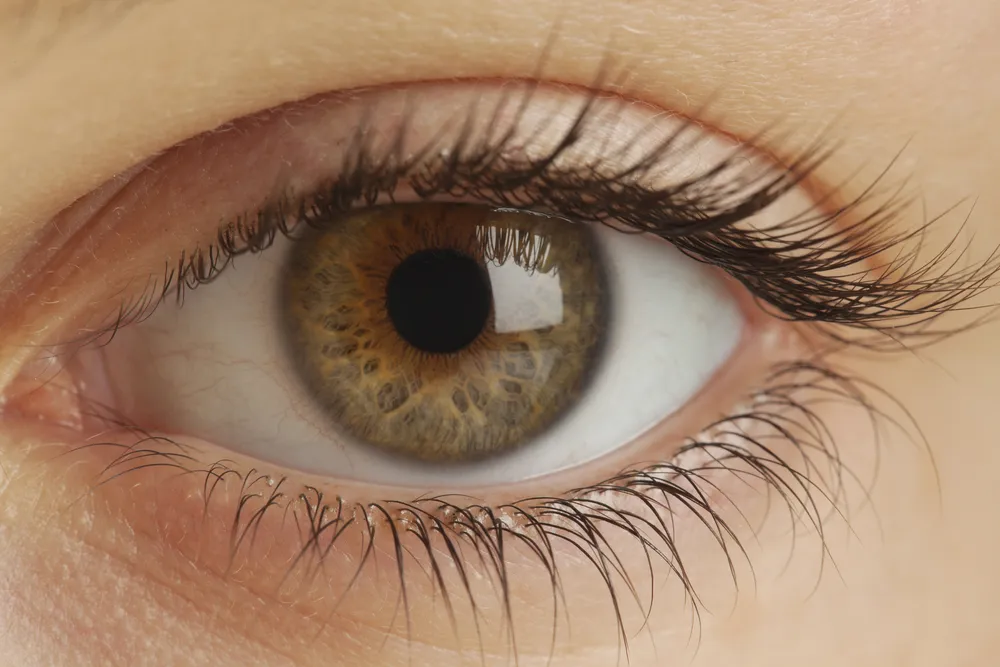
Two people who were going blind can now see the world in much greater detail than before thanks to an experimental stem cell treatment for age-related macular degeneration, according to a new study.
One patient in the study, Douglas Waters, had severe macular degeneration and couldn't see out of his right eye. But after the treatment, "I can now read the newspaper," the 86-year-old told the BBC.
Age-related macular degeneration is a common cause of vision loss in people ages 50 and older. The condition causes damage to a part of the eye called the macula, which is responsible for central vision or the ability to see things straight in front of us, according to the National Eye Institute. People use central vision for daily tasks such as driving and reading.
In the new study, the researchers focused on a layer of cells behind the macula called the "retinal pigment epithelium," which provides nourishment to certain eye cells and is involved in the progression of macular degeneration.
The researchers used stem cells to create a new "patch" of retinal pigment epithelium. They started with embryonic stem cells (which can become any cell in the body) and coaxed these cells into becoming retinal pigment epithelium cells. The patch was then surgically implanted into the patients' eyes.
One year later, both Waters and the other patient who received the patch, a woman in her 60s, have maintained their improved vision.
Still, more research is needed on the treatment's safety. There is a concern that the transplanted cells could become cancerous, although researchers haven't seen any signs of this so far, the BBC reported.
Get the world’s most fascinating discoveries delivered straight to your inbox.
Currently, the treatment is only for "wet" macular degeneration, a form of the disease in which the macula is damaged by the growth of abnormal blood vessels. But the researchers hope their treatment could also help with "dry" macular degeneration, which occurs when cells in the macula gradually break down.
The study was published yesterday (March 19) in the journal Nature Biotechnology.

Rachael is a Live Science contributor, and was a former channel editor and senior writer for Live Science between 2010 and 2022. She has a master's degree in journalism from New York University's Science, Health and Environmental Reporting Program. She also holds a B.S. in molecular biology and an M.S. in biology from the University of California, San Diego. Her work has appeared in Scienceline, The Washington Post and Scientific American.