














No, Medical-Marijuana Legalization Doesn't Make Teens Smoke More Pot

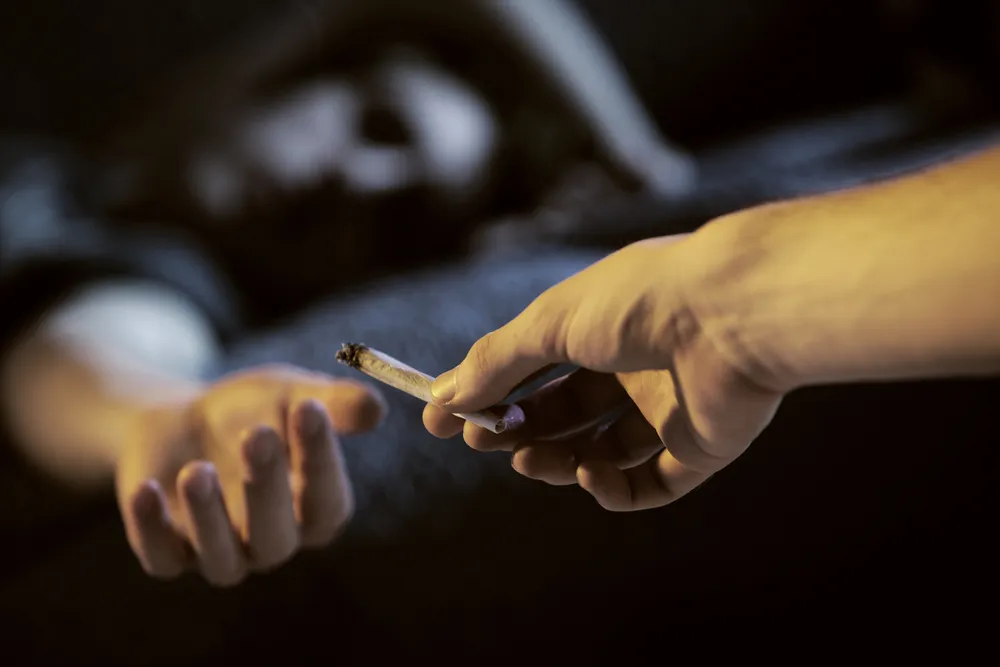
For years, people have debated whether legalizing marijuana could lead to an increase in the use of the drug among teens. But a new study finds that's not the case, at least for laws that legalize medical marijuana.
The study found that teen use of marijuana doesn't seem to change when the drug is legalized for medical purposes.
"For now, there appears to be no basis for the argument that legalizing medical marijuana has increased teens' use of the drug," senior study author Deborah Hasin, a professor of epidemiology at Columbia's Mailman School of Public Health, said in a statement.
However, Hasin said that future research should continue to explore this question, because the situation may change as medical marijuana becomes more commercialized and as more states legalize marijuana for recreational purposes. [Mixing the Pot? 7 Ways Marijuana Interacts with Medicines]
For the new study, the researchers analyzed information from 11 previous studies that looked at teen marijuana use from 1991 to 2014.
The researchers looked at teen pot use in the past month, before and after marijuana laws changed in various states. They then compared that trend with trends in states where the drug wasn't legalized.
Overall, teens' usage of the drug did not change after medical-marijuana laws were passed in their state.
Get the world’s most fascinating discoveries delivered straight to your inbox.
In 1996, California became the first state to legalize medical marijuana, and today, 29 states and the District of Columbia allow medical marijuana.
Although the new study didn't find an increase in overall teen use of marijuana, more research is needed to look at other possible effects of legalization, such as changes in daily use of the drug among those who already use marijuana and the development of marijuana dependence, the researchers said.
The study is published online today (Feb. 22) in the journal Addiction.
Original article on Live Science.

Rachael is a Live Science contributor, and was a former channel editor and senior writer for Live Science between 2010 and 2022. She has a master's degree in journalism from New York University's Science, Health and Environmental Reporting Program. She also holds a B.S. in molecular biology and an M.S. in biology from the University of California, San Diego. Her work has appeared in Scienceline, The Washington Post and Scientific American.