














Misuse of Hand Sanitizer Linked to Poisoning Cases in Kids

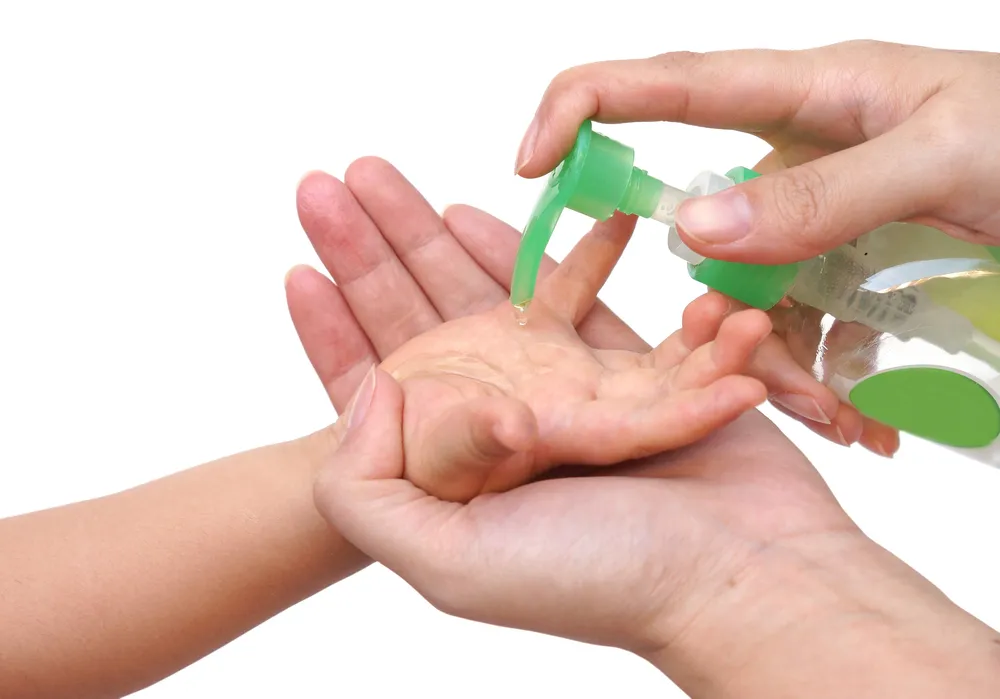
Alcohol-based hand sanitizers are meant to help keep kids safe from germs, but when kids misuse them, the sanitizers may cause harm. Cases have been reported of kids with eye irritation, vomiting, and even a few cases of kids ingesting sanitizer and winding up in a coma, according to a new report.
From 2011 to 2014, there were more than 70,000 calls to poison control centers across the U.S. for children ages 12 and under who ingested, inhaled or got hand sanitizer in their eyes, according to the report from the Centers for Disease Control and Prevention (CDC).
Hand sanitizers that contained alcohol were cited in more than 65,000 of the calls, the CDC researchers said. Alcohol-based hand sanitizers contain either ethanol, which is found in alcoholic beverages, or isopropyl alcohol, also known as rubbing alcohol. Sanitizers can contain 60 to 95 percent alcohol by volume; non-alcohol based hand contain other chemicals. [9 Weird Ways Kids Can Get Hurt]
In many cases, the calls were made concerning a child who was not actually having any symptoms. But in more than 8,000 of the calls, people reported children having symptoms due to their exposure to hand sanitizer, the researchers found. Most of these symptoms were not life-threatening, and included eye irritation, vomiting, stomach pain and coughing, according to the report.
However, the researchers noted that in five cases, children fell into a coma, and in three cases, children had seizures. Other serious health effects included very low blood sugar in two children and a decrease or halting of the breathing rate in two children.
And although more than 90 percent of the incidents occurred in children under age 5, the researchers noted that there were also reports of incidents in older children, including some who had intentionally ingested hand sanitizer. These children generally had worse outcomes than the children with an accidental exposure.
This suggests that "older children might be deliberately misusing or abusing [alcohol-based] hand sanitizers," the researchers wrote in the report.
Get the world’s most fascinating discoveries delivered straight to your inbox.
Interestingly, the researchers also found that hand-sanitizer-related incidents for kids ages 6 to 12 were less likely to occur during the summer months, perhaps because children may have more access to the products during the school year or during flu season.
Although washing hands with soap and water is preferred, the researchers said alcohol-based hand sanitizers are the next best option for hand hygiene. Ensuring that children use these hand sanitizers correctly, under adult supervision, could help reduce problems, the researchers wrote. Hand sanitizers should also be stored where young children cannot reach them, they added.
"Increased parental or teacher supervision might be needed while using [alcohol-based] hand sanitizer products, especially for older children who might be abusing these products during the school year," the researchers wrote.
The report was based on data that poison control centers in all 50 states reported to the National Poison Data System from Jan. 1, 2011, to Dec. 31, 2014.
Originally published on Live Science.
