













Egyptian Tombs Flooded by 'Faulty' Ancient Methods

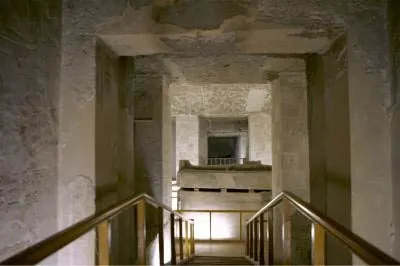
A trick used by ancient Egyptians to exploit cracks in Earth to make tomb-digging easier has come back to haunt the Valley of the Kings, new evidence suggests.
While the natural fractures were followed to carve out burial sites, several instances show, rare heavy rainfall events can flood the tombs. Archaeologists are racing to map and photograph the tombs to better preserve their contents and figure out ways to divert the rain.
"We have seen evidence of seven separate flood events in four tombs so far," said Penn State researcher Katarin A. Parizek.
Parizek had noticed that some tombs in the Valley of Kings, in Luxor, Egypt, were aligned with surface fractures that can be between 5 and 40 feet wide and up to a mile long. The fractured rock would have made for easier tomb digging, she figures. Of the 63 tombs in the area, 30 have so far been found to lie on fractures, while two lie diagonal to a trace and one is not on a fracture.
"From my observations, it seems that tomb builders may have intentionally exploited these avenues of less resistant limestone when creating tombs," Parizek said.
When tombs are created under the cracks, water can flow in and destroy paintings on the walls and ceilings and cause the interior surfaces to flake off. But if scientists divert water away from entrances to known tombs, they might send it to another tomb that has yet to be discovered.
The geological information Parizek and her team gather is helping archaeologists to plan better ways to stop the flooding of both known and unknown tombs by diverting the water away from traces and exposed entrances.
Get the world’s most fascinating discoveries delivered straight to your inbox.
Parizek is slated to present her results today at the annual meeting of the Geological Society of America in Portland, Oregon.
- Image Gallery: Amazing Egyptian Discoveries
- Remains of World's Oldest Ships Found in Egypt
- Clue to Egypt's Gold Source Discovered
