













Laziness: Blame it on the Brain?

Perhaps you could care less, but newly spotted differences in how our brains work could explain why some people are apathetic and lazy. Scientists say motivation could be more about biology than attitude.
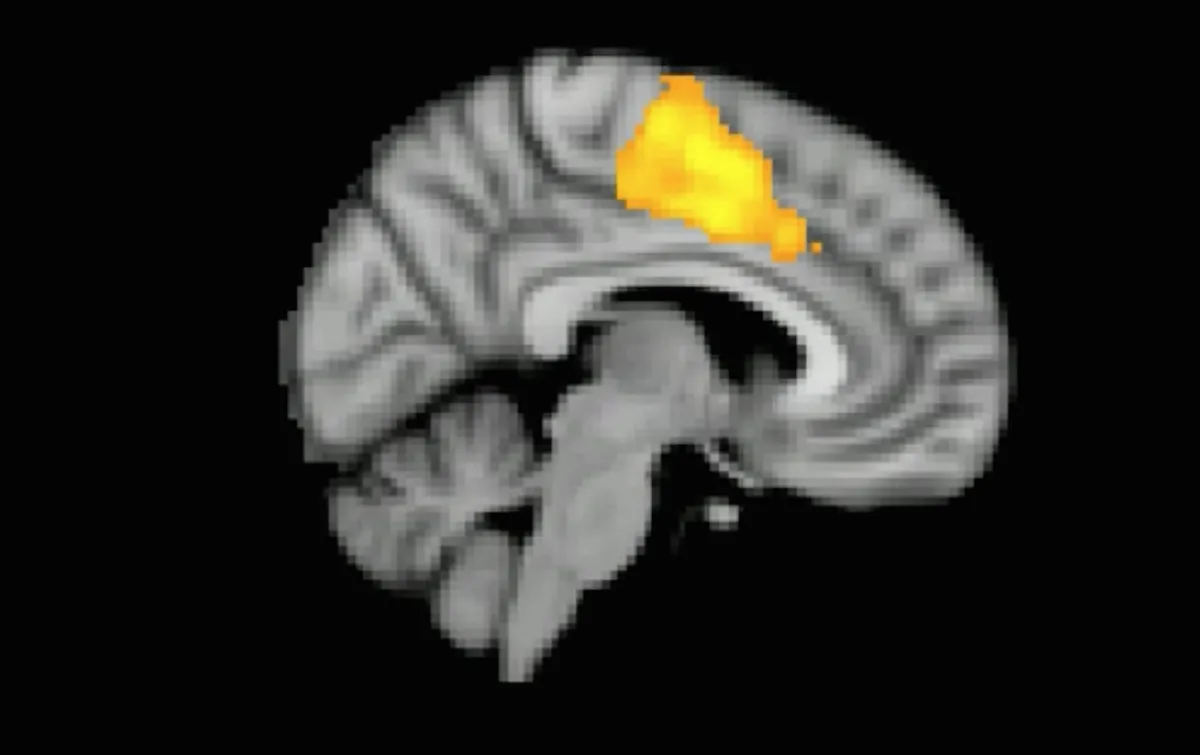
Magnetic resonance imaging (MRI) scans provided a peek at brain activity in 40 healthy volunteers while they were deciding whether or not to put out some effort in exchange for a reward. The scans revealed distinct differences in the brains of those who had previously scored low on a questionnaire designed to reveal their general level of motivation.
When people decide to do things, the pre-motor cortex tends to light up just before other spots in the brain that control movement become active, study researchers explained in a statement last week. Among the apathetic, making a decision whether or not to do something, the pre-motor cortex fired paradoxically more than in the go-getters.
The scientists figure that the brain connections responsible for the jump from decisions to actual action must be less effective in the apathetic. That would mean their brains would have to work harder to get them off their duffs.
"If it takes more energy to plan an action, it becomes more costly for apathetic people to make actions," explained one member of the study team, neurology researcher Masud Husain at the University of Oxford. "Their brains have to make more effort."
A separate study in 2012 suggested that levels of dopamine in the brain could have an impact on motivation, too.
The new finding, detailed in the journal Cerebral Cortex, likely does not explain all cases of apathy or laziness, the researchers caution, but it could have implications for treating extreme cases. "By giving us more information about the brain processes underlying normal motivation, it helps us understand better how we might find a treatment for those pathological conditions of extreme apathy."
Get the world’s most fascinating discoveries delivered straight to your inbox.
Follow Live Science @livescience, Facebook & Google+.

Robert is an independent health and science journalist and writer based in Phoenix, Arizona. He is a former editor-in-chief of Live Science with over 20 years of experience as a reporter and editor. He has worked on websites such as Space.com and Tom's Guide, and is a contributor on Medium, covering how we age and how to optimize the mind and body through time. He has a journalism degree from Humboldt State University in California.