













Rare Allergy to an Orange Nearly Kills Toddler

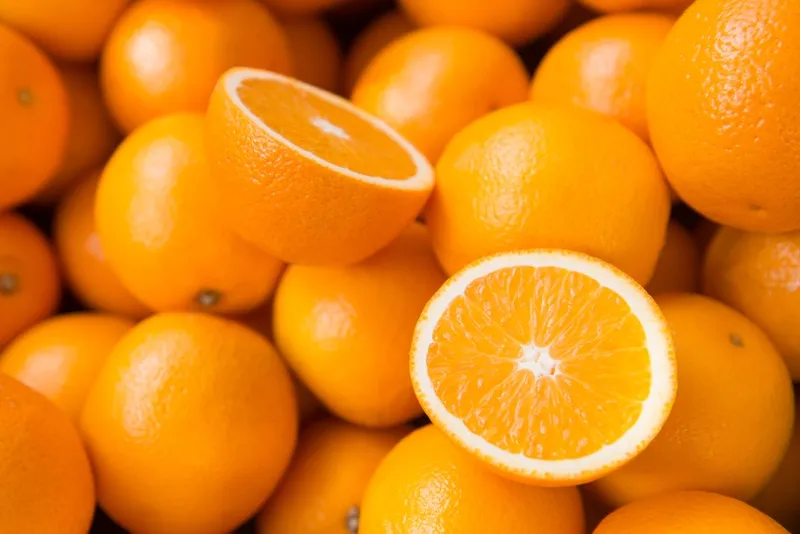
A 2-year-old girl in Pennsylvania nearly died recently after she suffered an unusually severe allergic reaction to eating an orange, her doctors reported.
The toddler picked up the orange in a supermarket, and within a few minutes of eating it, she developed a reaction that required a prompt trip to the emergency room, and later a helicopter ride to an intensive care unit at the Children's Hospital of Philadelphia.
This type of allergic reaction, called anaphylaxis, is more common in children with more common food allergies, for example, a peanut allergy, and has never been reported in a reaction to an orange, according to the report. [8 Strange Signs You're Having an Allergic Reaction]
The reaction caused the toddler's airways to swell and close up, which required immediate medical assistance.
"Her lips and tongue swelled, she broke out in hives and couldn't breathe well," said Dr. Sigrid DaVeiga, an allergist who was involved with the case. At the emergency room, the girl needed a higher-than-usual dose of the drug epinephrine before the doctors were able to insert tubes in her airways so that she could breathe.
"It's just a really astounding reaction to an orange," DaVeiga said.
Oranges don't cause allergies commonly, and when they do, the reaction is mild. For example, the fruit can cause an itchy mouth. This girl, however, had an underlying asthma condition, and this was likely the reason her allergic reaction was life-threating, according to the report.
Get the world’s most fascinating discoveries delivered straight to your inbox.
"We believe she had undiagnosed asthma, so when she went into this reaction she was already having an underlying airway inflammation," DaVeiga told Live Science.
The case shows thathaving asthma may be a risk factor for developing reactions to foods that are difficult to treat, said the researchers, who will present their report on Sunday (Nov. 9) at the American College of Allergy, Asthma and Immunology (ACAAI) meeting in Atlanta.
Following treatment and a two-day hospital stay, the girl recovered and was able to go home. Later, when the girl was well enough, the doctors tested her to confirm what had caused the severe reaction.
"I don't think anybody really believed that it was the orange," DaVeiga said. But as it turned out, tests revealed the girl was allergic to oranges, other citrus fruits, and also peaches. The doctors also discovered that the toddler had asthma.
"She was advised to avoid orange and peach, and also told to start asthma therapy, both of which will keep future allergic reactions under control," said Dr. Sayantani Sindher, the girl's allergist and study co-author.
The doctors emphasized it's very rare for anyone to have a severe allergic reaction to an orange. The fruit, however, is among those that can cause mild oral allergies, more commonly in people who are allergic to pollen.
Eight foods are responsible for the majority of allergic reactions, according to the ACAAI: Cow’s milk, eggs, fish, peanuts, shellfish, soy, tree nuts and wheat.
Email Bahar Gholipour. Follow Live Science @livescience, Facebook & Google+. Originally published on Live Science.
