














Cancer Patients Finally Get the ER They Deserve (Op-Ed)
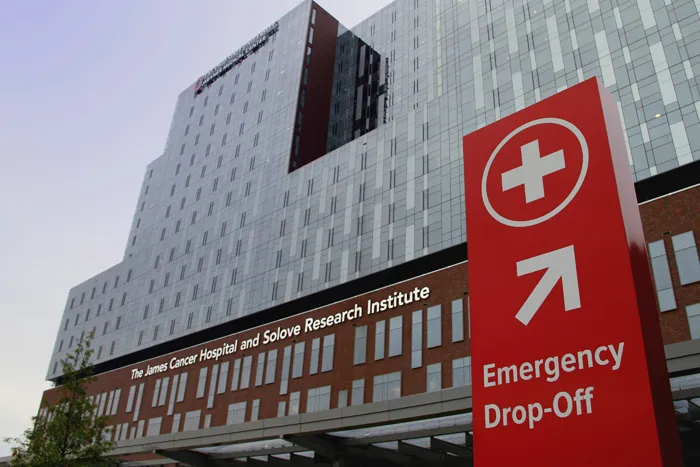
Dr. Thomas Terndrup, chairman of emergency medicine at The Ohio State University Wexner Medical Center, contributed this article to Live Science's Expert Voices: Op-Ed & Insights.
You'll probably need emergency care at some point in your life, and while no one likes going to the emergency department, for cancer patients, it can be especially stressful. Even seemingly minor medical issues — like fever, dehydration or viral infections — can quickly turn serious.
In my 32 years in emergency medicine, I've observed that cancer patients visit emergency departments (EDs) more frequently than the general public does, and once they arrive, they may face more challenges. Their immune systems are often compromised, so other patients who are dealing with coughs, colds and infections can pose a greater risk to them. Sometimes, side effects from their cancer treatments have brought them to the ED, so our team has needed to fully understand these patients' treatment regimen in order to address the emergency at hand.
Simply put, treating a cancer patient in an emergency situation can be complex. That's why Ohio State has opened a fully integrated emergency department that can cater specifically to cancer patients. In having oncologists, emergency medicine specialists, emergency nurses and oncology nurses all working together under one roof to deliver treatment for cancer patients, it is a first-of-its-kind facility in the United States, developed by teams from Ohio State's Wexner Medical Center and the James Cancer Hospital and Solove Research Institute.

Here, cancer patients may quickly bypass the ED waiting area and go down the hall to a 15-bed treatment area specifically designed to address their anticipated needs. The department has a core team of physicians and nurses specially trained in both emergency medicine and oncology. [It Takes a Lot More Than Carrots to Beat Cancer (Op-Ed )]

At other hospitals, a cancer patient might first go to an emergency department for immediate care and then be transferred to another unit or hospital for treatment. But here, we have clinical care guidelines and cancer-specific protocols to improve how we care for cancer patients in emergency situations and, when appropriate, safely reduce the need for hospital admissions.
Cancer-specific care is a relatively new approach in emergency medicine, and while we're proud to have opened the first fully integrated cancer emergency department in the nation, we hope others follow suit.
Get the world’s most fascinating discoveries delivered straight to your inbox.
Cancer patients are among our nation's most vulnerable people, and they shouldn't have to feel worried about getting any sicker when they come to an emergency department for care.
Follow all of the Expert Voices issues and debates — and become part of the discussion — on Facebook, Twitter and Google+. The views expressed are those of the author and do not necessarily reflect the views of the publisher. This version of the article was originally published on Live Science.