














Elusive Water Monsters Spotted in Mexico's Lakes

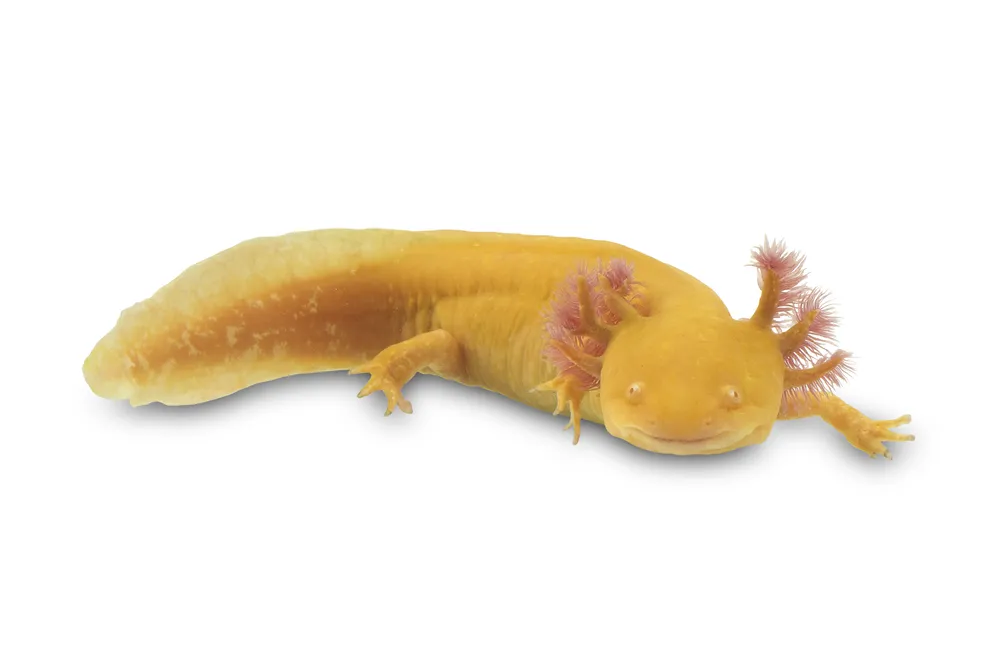
An aquatic salamander feared to have disappeared from Mexico's lakes, its only-known natural habitat in the wild, has been spotted again. Researchers sighted two of the salamanders, known as axolotls, but did not capture any.
A weeklong expedition last year in Xochimilico lake didn't find any of the creatures, suggesting they only survived in captivity. But a team at Mexico's National Autonomous University found two animals during the first three weeks of a new survey, which continues until April, the Associated Press reported.
The axololotl, also known as the "water monster" or the "Mexican walking fish," lives only in the lakes and canals of Xochimilco, on piles of soil on top of reed mats built by the Aztecs to grow crops. But these "floating gardens" are now under threat from pollution, urban sprawl and invasive species. The creatures can survive in aquariums, water tanks and research labs, but these conditions lead to inbreeding and other problems. If captive animals are released to the wild, they could introduce a deadly fungal infection or harmful genetic mutations to native populations, researchers say.
To protect axolotls, researchers have built shelters in Xochilmilco made of sacks of rocks and reedy plants, which filter the water. Cleaner water is also pumped in, and cages around the shelters keep out carp and tilapia, non-native fish that compete with the salamanders for food. "We haven't had any captures, but we have had two sightings. That's important, because it tells us we still have a chance," said biologist Armando Tovar Garza.
Axolotls grow up to one foot (30 centimeters) long, and crawl along the bottom of water bodies using their legs or swim using their tails. They eat aquatic insects, small fish and crustaceans. The creatures can also regenerate severed limbs, and are used in scientific research.
Follow Tanya Lewis on Twitter and Google+. Follow us @livescience, Facebook & Google+.
Get the world’s most fascinating discoveries delivered straight to your inbox.
