BBQ Wings? Birds Fried at Solar Plant
Get the world’s most fascinating discoveries delivered straight to your inbox.
You are now subscribed
Your newsletter sign-up was successful
Want to add more newsletters?
Delivered Daily
Daily Newsletter
Sign up for the latest discoveries, groundbreaking research and fascinating breakthroughs that impact you and the wider world direct to your inbox.
Once a week
Life's Little Mysteries
Feed your curiosity with an exclusive mystery every week, solved with science and delivered direct to your inbox before it's seen anywhere else.
Once a week
How It Works
Sign up to our free science & technology newsletter for your weekly fix of fascinating articles, quick quizzes, amazing images, and more
Delivered daily
Space.com Newsletter
Breaking space news, the latest updates on rocket launches, skywatching events and more!
Once a month
Watch This Space
Sign up to our monthly entertainment newsletter to keep up with all our coverage of the latest sci-fi and space movies, tv shows, games and books.
Once a week
Night Sky This Week
Discover this week's must-see night sky events, moon phases, and stunning astrophotos. Sign up for our skywatching newsletter and explore the universe with us!
Join the club
Get full access to premium articles, exclusive features and a growing list of member rewards.
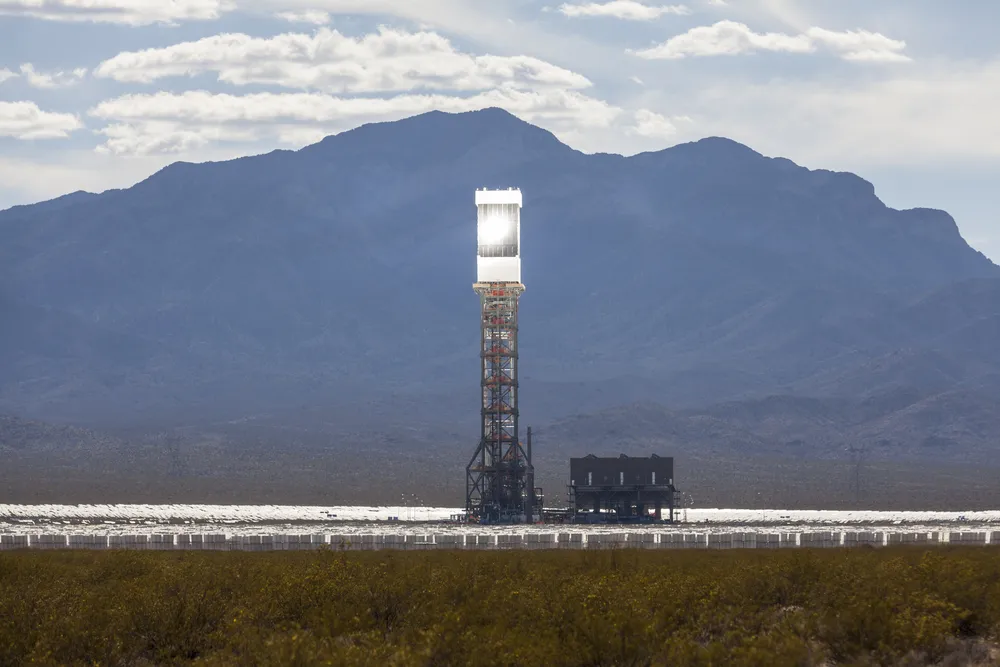
There's a lot to love about green energy, but officials at the Ivanpah Solar Electric Generating Station in Southern California are investigating a strange problem at their facility: dead birds with singed or burned feathers.
The operators of the plant, which uses about 350,000 mirrors to direct sunlight at water boilers atop 40-story-high towers, started finding dead birds at the facility even during its construction phase. The bodies of falcons, hawks, warblers, sparrows and other birds have appeared on and around the plant, The Wall Street Journal reports.
The death of some birds was expected, but the number of birds killed has surprised officials. Some biologists speculate that birds flying above the facility mistake the vast array of mirrors for a shimmering lake, then get burned when they fly too close to the installation. Temperatures around the towers can reach 1,000 degrees Fahrenheit (538 degrees Celsius).
Follow Marc Lallanilla on Twitter and Google+. Follow us @livescience, Facebook & Google+.
Get the world’s most fascinating discoveries delivered straight to your inbox.