













Arctic Nations Unprepared for Shipping Catastrophe
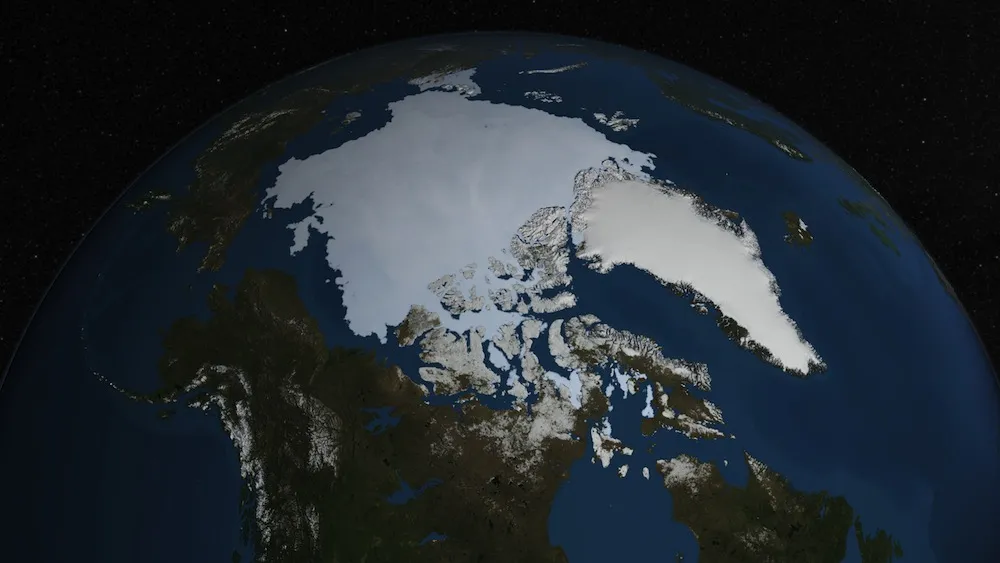
Arctic nations are unprepared for a major shipwreck in the region, a recent study has concluded.
According to a report in the Arctic Journal, Marc Jacobsen of the Washington, D.C.-based Arctic Institute modeled a scenario in which the cruise liner Costa Deliziosa struck an iceberg off the coast of the town of Ilulissat, in western Greenland.
The hypothetical incident — which Jacobsen modeled as taking place at night in the summer, in largely open water populated by drift ice — resulted in a 50-meter hole in the ship’s hull. Several hundred people would need treatment, requiring transportation that would be “extremely comprehensive, very time consuming and therefore very likely leave thousands of passengers behind in Ilulissat,” a town of 4,500 inhabitants.
10 Ways Warmer Winters Wreck Earth
The Arctic Council adopted a Search and Rescue Plan in 2011 specifically to address such accidents. (The council’s membership comprises the eight nations with Arctic territory -- the United States, Canada, Denmark, Iceland, Norway, Sweden, Finland and Russia.) But, Jacobsen argued at a conference in Norway last month, the huge distances and limited infrastructure in the region mean that the plan is inadequate for a disaster involving a ship of such size.
Additionally, the environmental consequences of such an accident, including the spillage of oil and toxic chemicals into Arctic waters, would be extremely hard to deal with.
Such hypothetical scenarios are of increasing interest to governments, industry and environmentalists, as retreating sea ice results in an increase in vessel traffic in the Arctic.
Get the world’s most fascinating discoveries delivered straight to your inbox.
BLOG: Arctic Open for Business
The International Maritime Organization has completed a draft "polar code" for vessels operating in the Arctic. It’s scheduled to be finalized later this year and to come into effect as early as 2016.
However, while some have lauded the draft as an important first step, others have criticized it for failing to address the heightened risk that increased shipping poses for an environmental catastrophe.
This story was provided by Discovery News.