














State of Emergency Declared for West Virginia Chemical Spill

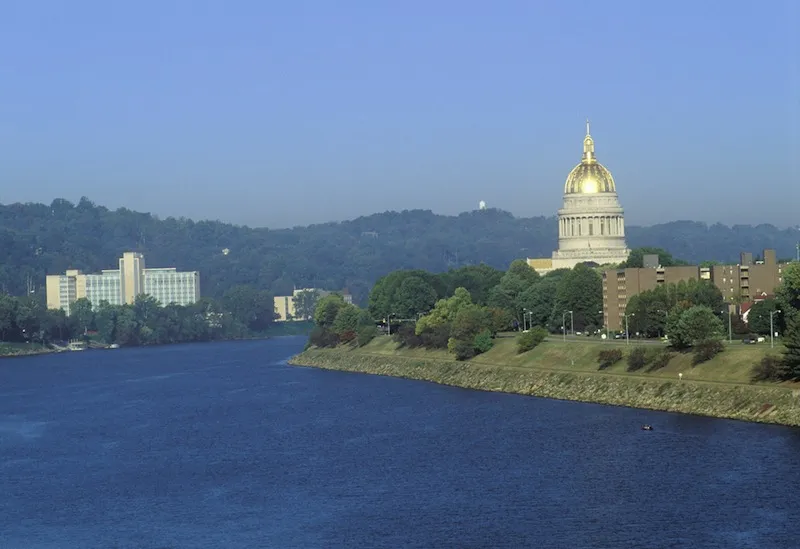
A state of emergency has been declared in nine counties in West Virginia because of a chemical spill into the Elk River, which flows into another river at the state's capital, Charleston. The spill of the chemical, 4-Methylcyclohexane Methanol, or MCHM, came from a leak in a tank at a chemical company about a mile north of a water treatment plant on the river, according to news reports. Residents of the affected counties have been told not to use tap water for "drinking, cooking, cleaning, bathing and washing," according to a statement from office of West Virginia governor, Earl Ray Tomblin.
News reports stated that the spill was discovered on Thursday (Jan. 9) and that there was a smell of licorice in the area from the chemical. The New York Times reported that while the chemical is not toxic, it "can cause headaches, eye and skin irritation, and difficulty breathing from prolonged exposures at high concentrations, according to the American Conference of Governmental Industrial Hygienists." The chemical is used to wash coal of impurities, the Times quoted the state's Department of Environmental Protection as saying.
Both the state and federal government have declared a state of emergency, the latter of which authorizes the Federal Emergency Management Agency to use funds to help in the crisis and to bolster state and local responses. Both FEMA and the National Guard were working on delivering supplies of bottled water to the area, but after the notice went out to residents not to use tap water, local stores were stripped of bottled water, news reported noted. Schools, restaurants and even the state legislature have all closed.
The governor's office noted that they were implementing a testing plan for the river: "Our emergency response team has worked to develop a testing protocol and a sampling plan on the chemical at issue. Initial samples have been taken, and additional sampling and testing will continue throughout the situation," the statement from the office said.
Get the world’s most fascinating discoveries delivered straight to your inbox.

Andrea Thompson is an associate editor at Scientific American, where she covers sustainability, energy and the environment. Prior to that, she was a senior writer covering climate science at Climate Central and a reporter and editor at Live Science, where she primarily covered Earth science and the environment. She holds a graduate degree in science health and environmental reporting from New York University, as well as a bachelor of science and and masters of science in atmospheric chemistry from the Georgia Institute of Technology.