













What Is Clean Eating?

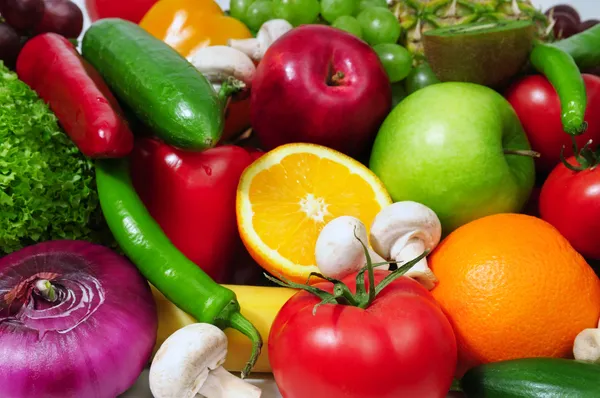
Clean eating is a dietary approach that advocates consuming food in its "most natural state."
Purported benefits of clean eating include weight loss, increased energy and all-around improved health.
There is no singular definition for clean eating, which often leads to confusion about the practice. However, clean eating usually requires eating unprocessed and unrefined products, such as whole grains, fruits, vegetables, lean meats and other foods that don't contain artificial ingredients or preservatives.
There are a few simple clean eating guidelines to follow, including eating five to six times a day, drinking at least two liters of water a day, avoiding food that has a long list of ingredients and steering clear of foods and drinks that are high in sugar, saturated fats or trans fats, according to Clean Eating Magazine.
The recent rise of the clean eating movement has sparked a number of dietary books on the subject, most notably Tosca Reno's popular "The Eat-Clean Diet" (Robert Kennedy Publishing, 2007).
In reference to Reno's book, American Dietetic Association spokeswoman Roberta Anding told WebMD that readers should follow the book's basic guidelines, but skip the nutrition information and advice on dietary supplements, which aren't backed up by scientific evidence.
In a post on Science-Based Medicine, a blog run by medically trained professionals who evaluate medical treatments and products, Ontario pharmacist Scott Gavura wrote that he doesn't recommend Reno's influential book, or any other works on clean eating.
Get the world’s most fascinating discoveries delivered straight to your inbox.
Gavura agrees on some of Reno's points, such as eating healthy fats, avoiding highly processed foods that are high in salt and calories, cutting out soda and exercising portion control. But he takes issue with other ideas, including the idea that calories don't really matter, supplements are important and drinking two liters of water each day is necessary.
"Some of the concepts that underlie 'eating clean' are supported by good scientific evidence," Gavura wrote. "But the 'eating clean' philosophy is imbued with a considerable amount of pseudoscience and a large amount of the naturalistic fallacy."
Follow Joseph Castro on Twitter. Follow us @livescience, Facebook & Google+.
