














EPA Investigates Plastic Pollution on Hawaiian Beaches

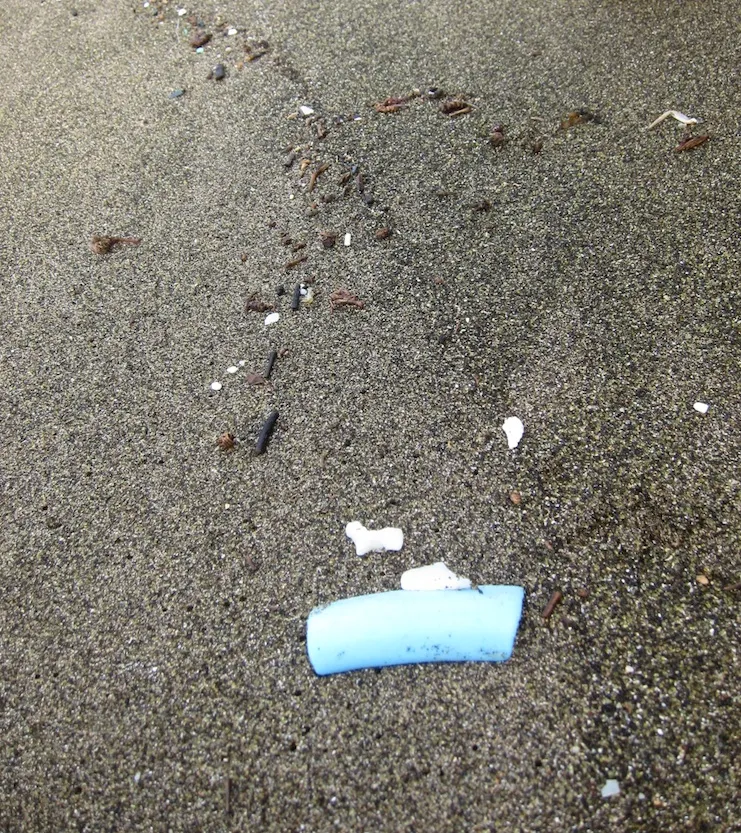
The Hawaiian Islands are famous for their iconic, pristine-looking beaches. But even in paradise, pollution can be found. The U.S. Environmental Protection Agency announced this week that it will study remote Tern island, part of a coral atoll 550 miles (890 kilometers) northwest of Honolulu, to see if the area qualifies to be listed as a Superfund site, a federal designation for areas with hazardous waste in need of clean up, according to news reports.
The agency will focus on that site because it contains a landfill that may be leaking contaminants. The study will also examine another 1,200 miles (1,900 kilometers) of Hawaiian beaches, as well as part of the Pacific Garbage Patch — a floating collection of plastic and other debris — to see if the area qualifies for Superfund status, the Los Angeles Times reported.
The action comes as a result of a suit by the Center for Biological Diversity, an environmental group. The area is home to one of the largest seabird rookeries in the world and provides habitat for the endangered Hawaiian monk seal and the threatened Hawaiian green sea turtle, the Times noted. The study serves as "an incredibly important first step towards understanding the hazards plastic pollution poses to wildlife," said Emily Jeffers, an attorney with the group.
Email Douglas Main or follow him on Twitter or Google+. Follow us @livescience, Facebook or Google+.
Get the world’s most fascinating discoveries delivered straight to your inbox.
