














3D-Printed Reefs Could Rehabilitate Persian Gulf Ecosystem

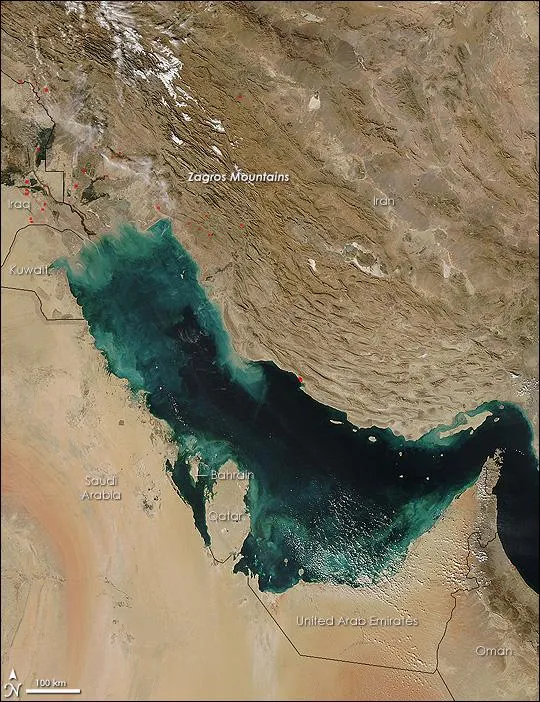
Artificial reefs created using 3D printing technology may be effective tools for restoring marine life in threatened ecosystems. A Bahrain-based organization, called Reef Arabia, is using 3D-printed reef formations to rehabilitate the waters of the Persian Gulf, reported TreeHugger.
Artificial reefs can help restore sea life by providing a base for corals and sponges to take hold. The waters off Bahrain's coast have suffered from overfishing, but Reef Arabia is hoping its 3D-printed formations will help revive the region's marine diversity. The group is designing artificial reefs printed using non-toxic sandstone material, which will give the formations a more realistic feel, said Reef Arabia team member David Lennon.
"With 3D printing we can get closer to natural design because of its ability to produce very organic shapes and almost lay down material similar to how nature does it," Lennon told TreeHugger.
The 3D-printed reefs take only a day to print, and can be constructed four at a time, according to TreeHugger.
Follow Denise Chow on Twitter @denisechow. Follow LiveScience @livescience, Facebook & Google+.
Get the world’s most fascinating discoveries delivered straight to your inbox.

Denise Chow was the assistant managing editor at Live Science before moving to NBC News as a science reporter, where she focuses on general science and climate change. Before joining the Live Science team in 2013, she spent two years as a staff writer for Space.com, writing about rocket launches and covering NASA's final three space shuttle missions. A Canadian transplant, Denise has a bachelor's degree from the University of Toronto, and a master's degree in journalism from New York University.