













West Nile Virus: Large Outbreaks Follow Warm Winters

Unusually warm winters are one reason for larger-than-average outbreaks of West Nile virus in the following summers, a new study finds.
Using weather data for the 11 years since West Nile virus was first detected in Dallas County in 2001, the researchers found a relationship between winter temperatures and the rate of infections — the fewer winter days with temperatures dipping below 28 degrees, the higher the number of cases of West Nile illness over the next summer.
The 2012 winter was the mildest of the preceding 10 years, with many days above the daily normal temperature. It also had the most winter rainfall.
The following summer, Dallas saw its largest West Nile virus outbreak yet, with 225 reported cases of West Nile fever (a milder form of infection), 173 cases of neurological illnesses (more serious infection) and 19 deaths.
The outbreak came as a surprise after several years of few or no reported infections, the researchers said.
A mild winter also occurred in 2006, the year that previously held the record for the largest West Nile outbreak in Dallas, the researchers said.
The results also showed that the outbreaks tend to revisit the same places, and can be predicted up to two weeks in advance by a rising "mosquito vector index," which is based on the number of infected mosquitoes trapped per night.
Get the world’s most fascinating discoveries delivered straight to your inbox.
By considering of weather patterns, along with the vector index, officials may able to focus public health efforts and prevent cases of West Nile virus, the researchers wrote in the study published today (July 16) in the Journal of the American Medical Association (JAMA).
"West Nile virus is continuing to be a public health problem — many people thought that it was going away" until last year's outbreak, said Dr. Lyle Petersen of Centers for Disease Control and Prevention (CDC).
"These outbreaks are surprisingly predictable in where they're going to occur, and how big they're going to be," Petersen said. The number of cases generally starts to increase around the third week of July, peaks in the middle of August and then tapers off in September. [5 Things You Need to Know About West Nile Virus]
Petersen carried out a separate study, also published today in JAMA, reviewing the available data on West Nile virus. He and his colleagues found the virus has become endemic in the United States, and has now caused about 16,200 neurologic disease cases and 1,549 deaths reported since 1999.
The researchers estimated that 780,000 people have become ill with West Nile, including many who were not diagnosed.
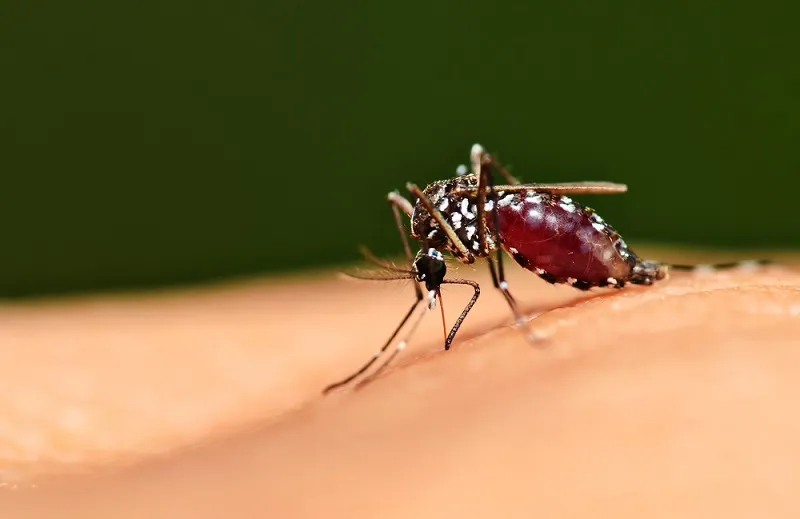
West Nile virus lives in birds and mosquitoes, and is transmitted to humans by mosquito bites. It was first detected in New York City in summer of 1999, and it rapidly spread across North America, causing seasonal outbreaks, including the three largest outbreaks of mosquito-borne viral neurologic infections ever recorded in the United States.
While most people infected with West Nile virus have no symptoms, about 1 in 5 people develop a fever with other symptoms such as headache, body aches or vomiting. Most people recover completely, but fatigue and weakness can last for weeks or months.
One percent of infected people develop a serious neurologic illness such as encephalitis, meningitis or paralysis. About 10 percent of those who develop neurologic infection due to West Nile virus die, and others experience long-term consequences. About two-thirds of those with paralysis caused by the disease remain with significant weakness in affected limbs, the review study found.
It's not clear why some infections affect people's nervous systems. "Some people may have a genetic predisposition to it," Petersen said. A person's immune response and age also play a role, he said. The probably of getting the neurologic form of infection doubles for every decade of life.
People can reduce the risk of being infected with West Nile virus by using insect repellent and wearing protective clothing to prevent mosquito bites.
Commercially available insect repellents containing DEET, IR3535, oil of lemon eucalyptus and picaridin are registered by the US Environmental Protection Agency and are effective and safe, the researchers said.
"We are going into West Nile season, and people need to take precautions," Petersen said.
There are no medications to treat or vaccines to prevent West Nile virus infection. Experts say an effective human West Nile vaccine can be made, but it would be expensive to bring to the market.
Sustaining vector monitoring and prevention programs in all communities is critical, as unusually warm winters are becoming more common and periodic flares of West Nile virus, as occurred in 2012, certainly will recur, Dr. Stephen Ostroff, formerly of the CDC, said in an editorial accompanying the West Nile virus studies in the journal.
However, people tend to forget about a disease, because of "short attention span," while the virus is still around and the problems are not gone, Ostroff told LiveScience.
"Once the attention shifts elsewhere, so do, very often, the resources," he said.
Email Bahar Gholipour. Follow LiveScience @livescience, Facebook & Google+. Original article on Live Science.
