













Shining Light on a Hotel Room's Dirtiest Things
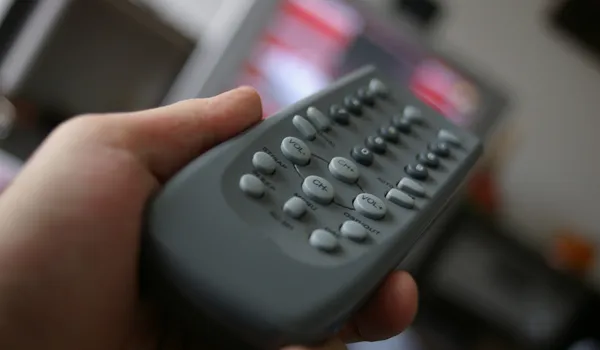
Want to stay away from germs during your next hotel stay? Then don’t turn on the TV or lights — new research shows that TV remotes and light switches are among the most contaminated items in hotel rooms.
Researchers from the University of Houston took bacteria samples from several items in hotel rooms in three regions of the United States. While the toilet and the sink were expected to have high levels of bacteria, researchers also found more surprising items with high contamination levels, such as the remote and the switch on the bedside lamp.
Hotel rooms “don’t have to have it ready for surgery,” said study researcher Jay Neal, a microbiologist at the University of Houston, but there certainly is room for improvement in their cleanliness.
The amount of bacteria on the remote may not mean that it's “any dirtier than at home, but there’s a stranger factor” in a hotel room, said Neal, who oversaw the research performed primarily by student Katie Kirsh.
Housekeepers spend about 30 minutes cleaning each room, Kirsh said. If the researchers could pinpoint the most contaminated parts of the room, the cleaning process could be made more effective.
The highest levels of contamination were found in the maid’s cleaning cart, specifically, on the mop and sponge. That's a problem because it means that bacteria are being carried from room to room, according to the researchers.
Such cross-contamination could be reduced, though, by replacing cleaning liquids during housekeeping shifts, they said.
Get the world’s most fascinating discoveries delivered straight to your inbox.
The lowest levels of bacteria were found on the headboard, curtain rods and bathroom door handle.
The researchers tested for bacteria in general, and did a separate test for coliform bacteria, which are found in feces and are more likely to cause illness.
Both tests showed that bacteria levels in hotel rooms were between 2 to 10 times higher than the levels accepted in hospitals.
The presence of bacteria’s doesn’t guarantee that people will get sick, but it makes it more likely.
The study was limited in that it was small — nine hotel rooms were tested in each of three states: Texas, Indiana and North Carolina.
The research was presented today (June 17) at microbiology researchers' conference in San Francisco.
Pass it on: There are a lot of bacteria in unexpected places in hotel rooms.
Follow MyHealthNewsDaily on Twitter @MyHealth_MHND. Find us on Facebookand Google+.