













Listeria Outbreak: What You Need to Know About The Illness

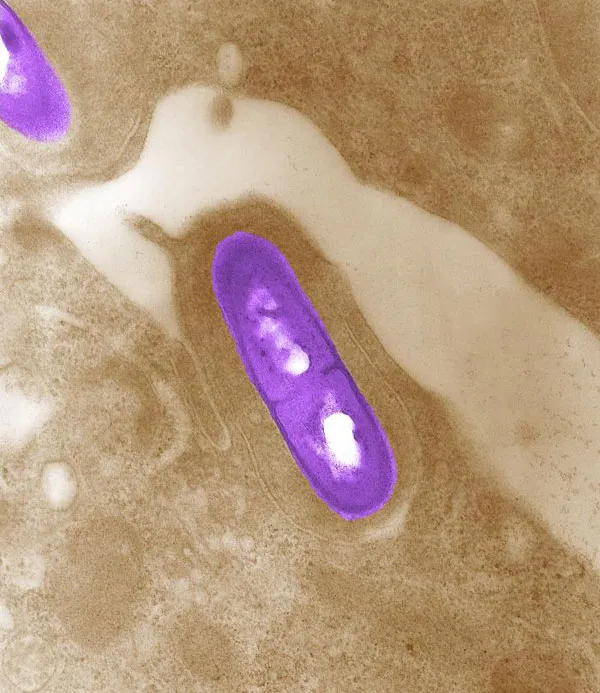
An outbreak of listeriosis linked to contaminated cantaloupe has so far sickened 22 people in seven states and killed at least two, according to the Centers for Disease Control and Prevention (CDC).
Listeriosis is caused by infection with the bacteria Listeria monocytogenes , which are found in soil and water. People are typically infected after consuming raw foods that picked up the bacteria from the soil, or became contaminated when manure from animals carrying L. monocytogenes was used as fertilizer, according to the Mayo Clinic.
Unlike most other bacteria, L. monocytogenes can continue to grow in foods in the refrigerator. The bacteria can also live for years in food processing factories.
About 1,600 persons become seriously sick with listeriosis every year, and about 260 die, the CDC says. L. monocytogenes is the third deadliest foodborne illness in the United States, behind salmonella (380 deaths per year) and Toxoplasma gondii (330 deaths per year), according to the CDC. However, serious illness from L. monocytogenes is less common than it is from salmonella , which leads to the hospitalization of close to 20,000 people each year.
Listeria has been found in raw foods, including uncooked meats and vegetables, as well as processed foods that become contaminated after cooking, such as hot dogs and deli meat. Unpasteurized milk and cheeses are also likely to contain the bacteria, the CDC says.
Pregnant women , newborns, older adults and people with compromised immune systems are most likely to become ill after eating foods with Listeria. Babies can be born with listeriosis if their mothers ate contaminated food while pregnant, even if the mother shows no signs of illness, the CDC says.Symptoms include fever, chills, headache, upset stomach and vomiting, according to the National Institutes of Health.
To reduce your risk of infection with L. monocytogenes, the CDC has the following advice:
Get the world’s most fascinating discoveries delivered straight to your inbox.
- Eat perishable and ready-to-eat foods as soon as possible.
- Rinse raw vegetables thoroughly before eating.
- Do not drink unpasteurized milk.
- Heat ready-to-eat foods and leftovers until they are steaming hot.
- Those at risk for infection should not eat hot dogs, luncheon meats, cold cuts or other deli meats unless they are heated to an internal temperature of 165
