













Mom's Diet Can Change Unborn Baby's Genetics

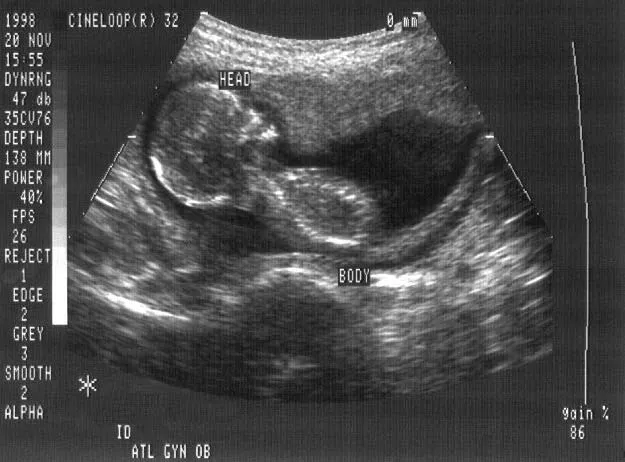
There's an old phrase that an expectant mother is eating for two. A new study indicates it's more apt than was known. A bad diet can actually alter a baby's genes.
If a mother rat does not eat well, her offspring exhibit genetic changes that affect what they'll become. Because the genes and cellular mechanisms involved in the study are very similar to those in humans, researchers think the study is relevant to us.
Specifically, rat fetuses receiving poor nutrition in the womb become genetically primed to be born into an environment lacking proper nutrition, the researchers figure; they were likely to grow to smaller sizes than their normal counterparts. The poorly nourished rats were also at higher risk for a host of health problems throughout their lives, including diabetes, cardiovascular disease, obesity and neurodevelopmental delays.
"Our study emphasizes that maternal-fetal health influences multiple healthcare issues across generations," said Robert Lane, professor of pediatric neonatology at the University of Utah. "To reduce adult diseases such as diabetes, obesity, and cardiovascular disease, we need to understand how the maternal–fetal environment influences the health of offspring."
The results, announced this week, are detailed online by the FASEB Journal.
The researchers split rat fetuses into two groups. The first group was normal. The second group had the delivery of nutrients from their mothers' placentas restricted. The rats were examined right after birth and again at 21 days, considered preadolescence. The lack of nutrients in the second group caused a gene responsible for a protein that promotes normal development and growth in rats and humans to significantly reduce the amount of the protein produced before and after birth.
It's an example of nurture affecting nature, the researchers say.
Get the world’s most fascinating discoveries delivered straight to your inbox.
"The jury's in and, yes, expectant moms really are eating for two," said Dr. Gerald Weissmann, editor-in-chief of the journal. "This study shows ... that prenatal care is far more important than anyone could have imagined a decade ago."
- Video: Addiction is in Your Genes
- Survival of the Fetus: Why Males Have it So Rough
- Fetuses May Not Feel Pain in Early Months
