














Details of New Zealand Eruption Emerge

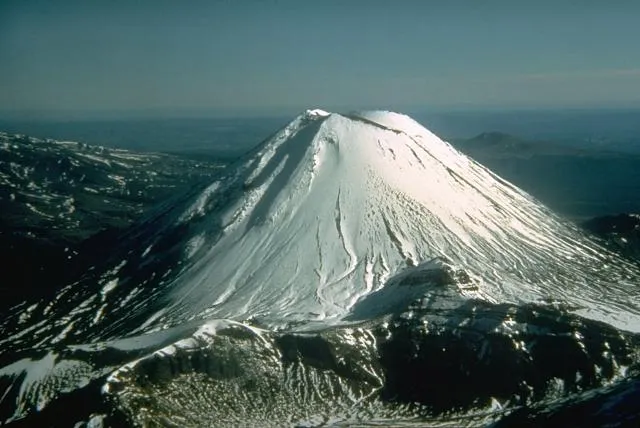
New Zealand's Mount Tongariro volcano, located in the central part of the North Island, erupted at 11:50 p.m. local time Monday night (Aug. 6).
Details were slow to emerge because of the lateness of the eruption and cloudy weather conditions that blocked some monitoring efforts, but as daylight broke, scientists were able to shed more light on what happened.
Michael Rosenberg, the duty volcanologist at GeoNet (run by New Zealand's GNS Science and the Earthquake Comission), wrote that the eruption at the Te M?ri craters was a short-lived phreatic one. Phreatic eruptions are stream-driven eruptions that happen when water beneath or above the ground is heated up, potentially causing it to boil and "flash to steam," creating an explosion, according to the U.S. Geological Survey. These eruptions can send ash and rocks flying, which this eruption seemed to do.
The explosion lasted only for a minute or two, Rosenberg said, with several small earthquakes rumbling for about 10 minutes afterward. No lava flows occurred with the explosion. Since then the mountain has been fairly quiet, with steam clouds and some small rumbles, he wrote.
What may happen next is uncertain, as volcanic eruptions can't be predicted. "As with any volcano, an eruption could occur at Tongariro at any time with little or no warning and there is an elevated level of risk, particularly on the northern slopes and valleys of the mountain," Rosenberg wrote.
Scientists are collecting ash samples from the area. The ash will be tested to see whether it is old rock blasted out by the explosion or new magma, which could suggest that magma is rising beneath the volcano, according to Erik Klemetti, an assistant professor of Geosciences at Denison University in Ohio and author of Wired's Eruptions Blog. Rising magma might mean that more eruptions could occur.
Get the world’s most fascinating discoveries delivered straight to your inbox.
