













Slashing the Salt Would Save Lives
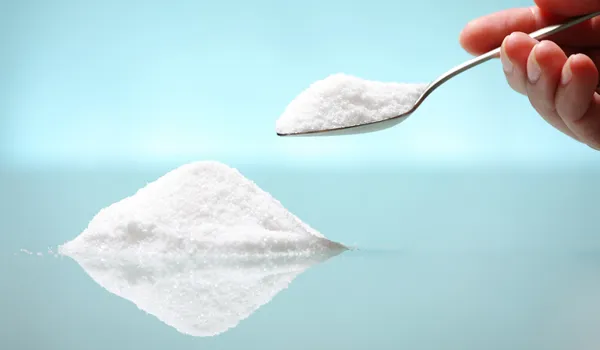
If Americans cut back on the amount of sodium they down every day, hundreds of thousands of lives could be saved over the next 10 years, according to new study findings.
During the study, three research groups used computer simulations and models to gauge the life-saving benefits of three different salt-reduction strategies.
In one model, the researchers examined the effects of gradually reducing sodium intake by 40 percent over 10 years to 2,200 milligrams a day — about a teaspoon. In the second scenario, the researchers calculated the impact of instantly reducing sodium intake by 40 percent. For the third model, the researchers examined the benefits of instantly cutting sodium intake to 1,500 mg a day, about a half teaspoon.
The researchers found that gradually lowering sodium intake by 40 percent over 10 years could save an estimated 280,000 to 500,000 lives. But if people cut sodium more quickly, some 60 percent more lives — 500, 000 to 850,000 — would be saved.
Eating too much sodium contributes to hypertension, or high blood pressure, which raises the risk of heart attack and stroke. More than 800,000 Americans die from heart disease, stroke and other vascular diseases each year, according to the Centers for Disease Control and Prevention. The American Heart Association reports that nearly half of all deaths caused by cardiovascular disease in the U.S. are related to high blood pressure.
Americans consume an average of 3,600 mg of salt a day, the equivalent of about a teaspoon and a half. An estimated 80 percent of that salt comes from commercially prepared and processed foods, according to the AHA. Current dietary guidelines recommend that people get no more than 2,300 mg of salt a day, about a teaspoon. However, the guidelines recommend that people limit daily sodium intake to no more than 1,500 mg a day if they are 51 or older, are African-American, or have high blood pressure, diabetes or chronic kidney disease.
"These findings strengthen our understanding that sodium reduction is beneficial to people at all ages," lead study author Pamela Coxson of the University of California San Francisco said in a statement. "Even small, gradual reductions in sodium intake would result in substantial mortality benefits across the population."
Get the world’s most fascinating discoveries delivered straight to your inbox.
The researchers acknowledge that given the high amounts of sodium Americans consume and the high levels of sodium in processed, prepared and packaged foods, getting people to instantly reduce sodium intake, especially to 1,500 mg a day, would be "difficult to achieve." Gradually reducing sodium levels over time would be more realistic, they added. "Public health approaches that target lower levels of added sodium in these products through a combination of regulation, consumer education and food labeling; voluntary partnership with food manufacturers; and federal, state and local procurement policies that reinforce healthy diets may bring about gradual lowering in the average sodium consumption among U.S. adults," the researchers wrote.
The study is published today (Feb. 11) in the journal Hypertension.
Pass It On: Cutting the amount of salt we eat could save hundreds of thousands of lives.
This story was provided by MyHealthNewsDaily, a sister site to LiveScience. Follow MyHealthNewsDaily on Twitter @MyHealth_MHND. We're also on Facebook & Google+.