
















Wolverines May Be Listed as Endangered

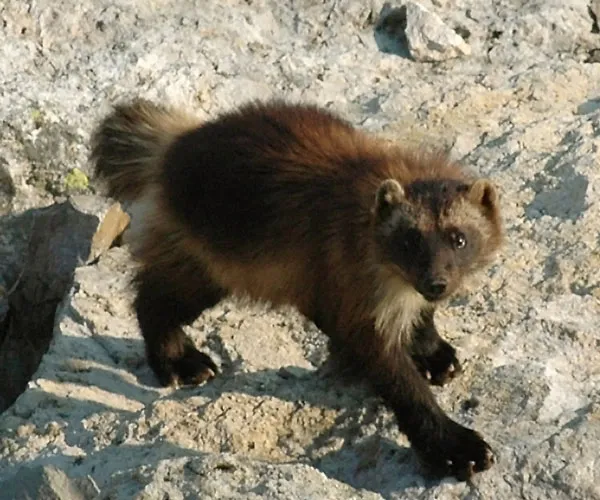
The famous ferocity of wolverines may be no match for climate change. The plight of the animals has led to the U.S. Fish and Wildlife Service proposing to protect the animals under the Endangered Species Act, according to a release from the agency.
The prime reason for the proposed listing is the loss of the wolverine's wintry habitat in the northern Rocky Mountains, which has been linked to climate change.
"Extensive climate modeling indicates that the wolverine's snowpack habitat will be greatly reduced and fragmented in the coming years due to climate warming," the release noted. Wolverines live in the high mountains near the tree-line where it is cold all year and snow cover lasts into the month of May, according to the statement.
If the proposed listing goes through, it would put wolverines in a small but growing group of animals — including polar bears and several types of coral — threatened due to climate change rather than more traditional reasons like hunting or deforestation, as noted by the New York Times.
There are only about 300 wolverines in the lower 48 states, the Fish and Wildlife Service estimates. The animals were largely wiped out at the beginning of the 20th century due to wide-ranging and aggressive trapping and poisoning policies. Wolverines have been documented fighting and killing animals many times their own size, like bears.
Wolverines, which can range widely over their home turf, are also found in the Canadian Rockies.
The agency is currently seeking advice and commentary from scientists and the public before making a final decision on the wolverine.
Get the world’s most fascinating discoveries delivered straight to your inbox.
Reach Douglas Main at [email protected]. Follow him on Twitter @Douglas_Main. Follow OurAmazingPlanet on Twitter @OAPlanet. We're also on Facebook and Google+.
