













More Velociraptor-Like Dinos Than Thought

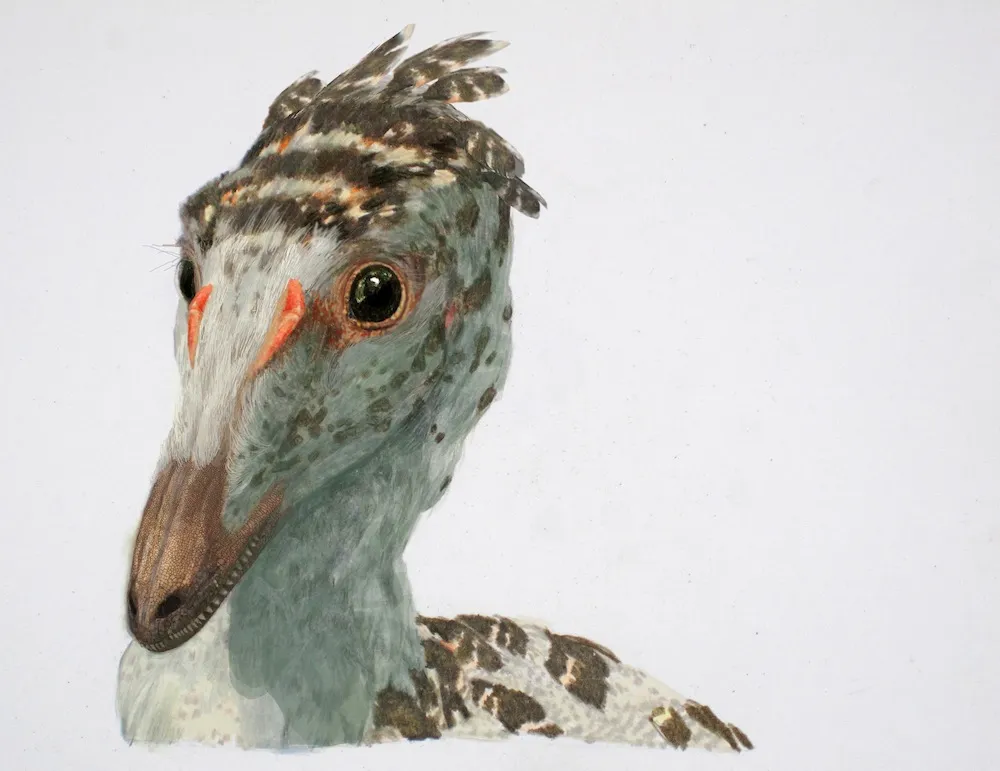
Millions of years ago, there may have been three times as many species of tiny, flesh-tearing dinos roaming the United States and Canada than previously believed, researchers say.
Only seven species of small, two-legged carnivores had been identified from the period between 85 and 65 million years ago, just before all dinosaurs were wiped out by a mass extinction. But a new analysis of hundreds of fossilized teeth found in different formations across North America shows that there might have been at least 23 of these meat-eating little critters, some of which were cousins of the Velociraptor.
The researchers say their work suggests that there was a high turnover of these types of dinosaurs, with each species existing for relatively short periods of time, rather than a handful of species lasting for many millions of years.
"We can identify what meat-eaters lived in what geographic area or geologic age," study researcher Philip Currie, a University of Alberta paleontologist, said in a statement. "And we can do this by identifying just their teeth, which are far more common than skeletons."
The study also found that these therapods hit their peak diversity in the late Campanian age (76.5 to 74.8 million years ago) but started declining before to the mass extinction at the end of the Cretaceous period, which other researchers have documented in other kinds of dinosaurs.
The research was detailed online Jan. 23 in the journal PLOS ONE.
Follow LiveScience on Twitter @livescience. We're also on Facebook & Google+.
Get the world’s most fascinating discoveries delivered straight to your inbox.
