













Artificial Poop Transplant May Fight Bacterial Infection

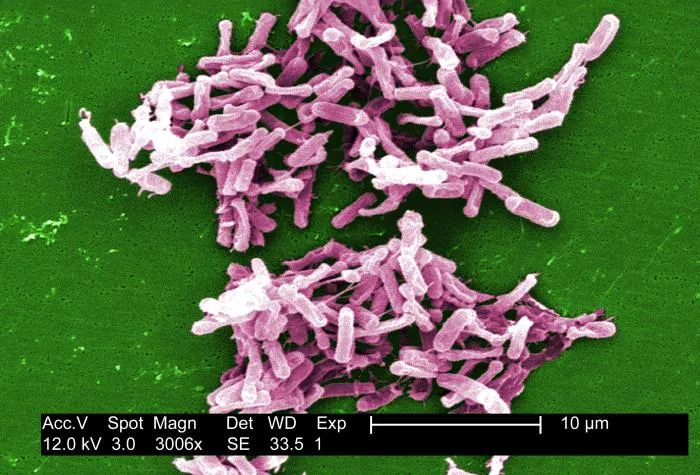
Artificial poop transplants could be an effective cure for people with a hard-to-treat bacterial infection in their intestines, researchers say.
Scientists who created the fake feces — a "super-probiotic" named RePOOPulate — say the mixture could be a safer alternative to the real poop transplants already used to treat people plagued by Clostridium difficile bacteria infections.
C. difficile infections cause diarrhea and other intestinal problems linked to 14,000 deaths in the United States each year, according to the Centers for Disease Control and Prevention. People at highest risk for the infection are older adults and those who take antibiotics. It's believed that antibiotics may kill some healthy bacteria species in the intestine, giving C. difficile bacteria a chance to thrive. For some people, antibiotics like metronidazole and vancomycin fail to treat the Clostridium infection, and in severe cases, surgery might be required to remove the infected parts of their intestines.
But poop transplants have emerged as an effective treatment for people with recurring C. difficile infections. When mixed with warm water and delivered via a tube into patients' colons, poop from healthy people can help restore the normal balance of intestinal bacteria, previous research has shown. The new study, however, shows that synthetic poop might allow doctors to sidestep a feces donor in these cases.
RePOOPulate, which is made from purified intestinal bacterial cultures, was transplanted into the guts of two patients — both women in their 70s with chronic C. difficile infections, who failed to respond to several previous rounds of antibiotics. Three days after treatment with the fake poop, both were symptom-free, and six months later, both tested negative for the bacteria, the researchers said. Moreoever, some of the stabilizing microbes from the synthetic stool stuck around in the GI tracts of both women, the team found.
"In other words, the introduced microbes were able to persist," Emma Allen-Vercoe, a microbiologist from Canada's University of Guelph who created RePOOPulate, explained in a statement. "This is important because most commercially available probiotics only colonize transiently."
Another benefit of artificial stool is that it doesn't threaten to transmit infectious disease to patients like real poop does, the researchers said. With synthetic feces, "the exact composition of the bacteria administered is known and can be controlled," Allen-Vercoe added.
Get the world’s most fascinating discoveries delivered straight to your inbox.
The researcher said her concept for repopulating microbial ecosystems in the gut might one day be adapted to treat other GI conditions, such as inflammatory bowel disease.
The findings were detailed this month in the journal Microbiome.
Follow LiveScience on Twitter @livescience. We're also on Facebook & Google+.
