













Supplements' Effectiveness Not a Concern for Many

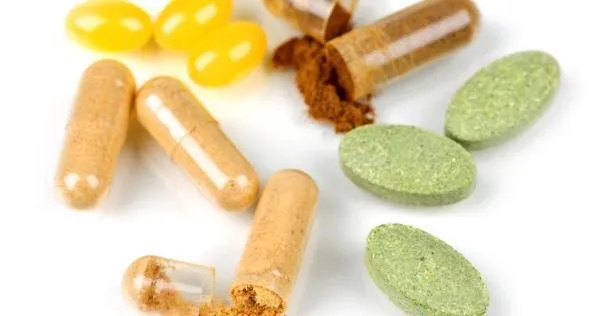
Taking supplements is common among U.S. adults, and the most oft-cited reasons that people give for taking them are wanting to feel better, improve energy levels and boost the immune system, a new survey finds.
But these aims have little to do with measurable improvements to health, the researchers said. Moreover, most people taking supplements indicated that the supplements' proven effectiveness didn't matter to them — only 25 percent said they stop taking a supplement if it was found to be ineffective, according to the survey.
"Supplement users are unlikely to change behavior in response to statements from public health authorities about studies showing the ineffectiveness of particular supplements," the researchers wrote in their article, published Nov. 19 in the journal Archives of Internal Medicine.
The findings are based on data from a telephone survey, according to the researchers at the Harvard School of Public Health in Boston. A nationally representative sample of about 1,600 adults participated.
Participants reported a range of products, including herbal supplements such as ginseng, probiotics such as acidophilus, amino acids, garlic pills and supplements derived from algae. (The researchers told the study participants not to include vitamins or minerals they were taking.)
About 38 percent said they had taken a dietary supplement in the last two years, and one in seven reported taking supplements regularly, the survey showed.
The most commonly used supplement was fish oil, or other omega-3 fatty acid supplements — about 24 percent of adults have used them in the last two years.
Get the world’s most fascinating discoveries delivered straight to your inbox.
More than a third of participants said they hadn't told their doctor about their supplement use. "Practicing physicians should be aware that substantial numbers of persons take supplements to treat potentially serious health conditions, and many of them may not share this information with their physicians," the researchers said.
Pass it on: Supplements' effectiveness doesn't matter to many people who take them, a new survey finds.
This story was provided by MyHealthNewsDaily, a sister site to LiveScience. Follow MyHealthNewsDaily on Twitter @MyHealth_MHND. We're also on Facebook & Google+.
