














Gold Rises With Molten Rock
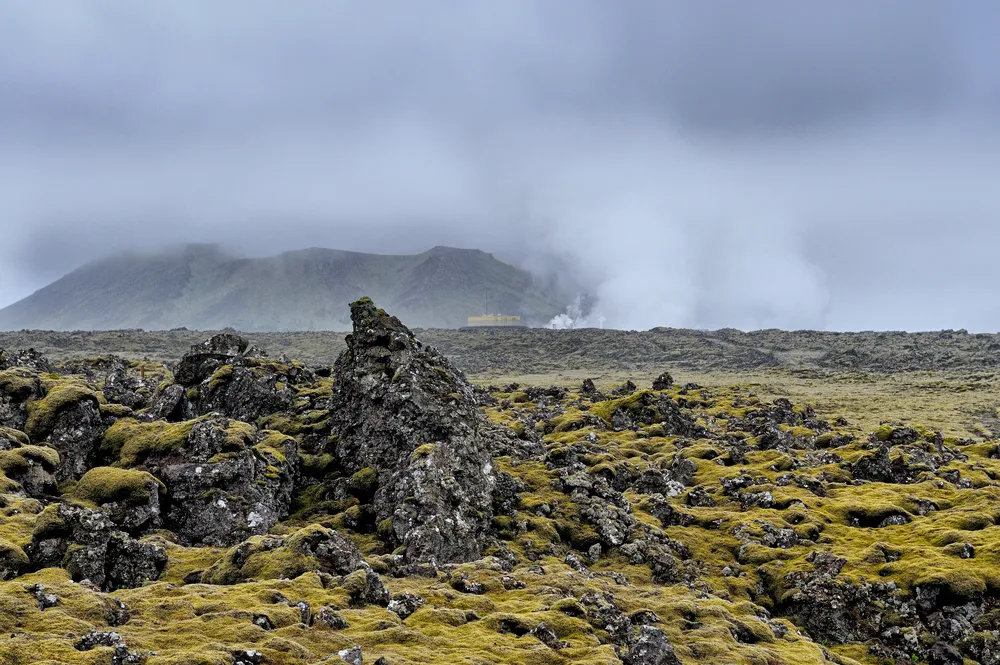
Scientists may now understand why some parts of the planet's crust have much higher concentrations of gold than others do.
Gold, as well as other rare metals, can be brought to the surface by plumes of molten rock from deep within the mantle, the layer underneath Earth's crust, producing background levels of gold up to 13 times higher than elsewhere, according to research published Oct. 19 in the journal Geology.
But don't grab your pickax yet. Regions with higher gold concentrations, such as the Reykjanes Ridge south of Iceland, aren't necessarily great places for commercial gold mining.
"In practical terms, what this means is that in areas like this, gold deposits might be more common and/or bigger than they would have been if the rocks were not plume-derived," said Alex Webber, a geochemist from the University of Southampton in England who led the study. "So whilst the process we've studied does not directly create a mineral deposit, it helps greatly to increase the likelihood that economical deposits would be found in the area."
Other areas that may have high background concentrations of gold include large igneous provinces — vast accumulations of igneous, or volcanically produced, rocks in the Earth's crust — such as the East African Rift, the Deccan Traps in central India, and the Siberian Traps in northern Russia. The Hawaiian Islands, which were formed over a mantle hotspot and are composed of igneous rocks, also are likely to have higher concentrations of gold and other rare metals, Webber said.
During the Earth's early years, as its molten mass began to separate into the core, mantle and crust, different elements accumulated in different layers. Iron, copper, platinum, gold and certain other metals that are dense and compatible with iron moved toward the core, which is why they’re relatively rare at the Earth's surface and of higher economic value.
"The deeper mantle probably contains more gold and other iron-loving metals than rocks closer to the surface," Webber told OurAmazingPlanet. "Any mechanism that can bring any of that 'lost' gold closer to the surface creates the potential for very large enrichments over the background gold concentration of normal crustal rocks."
Get the world’s most fascinating discoveries delivered straight to your inbox.
This story was provided by OurAmazingPlanet, a sister site to LiveScience.