
















Why Are Animals Bigger in Colder Climates?
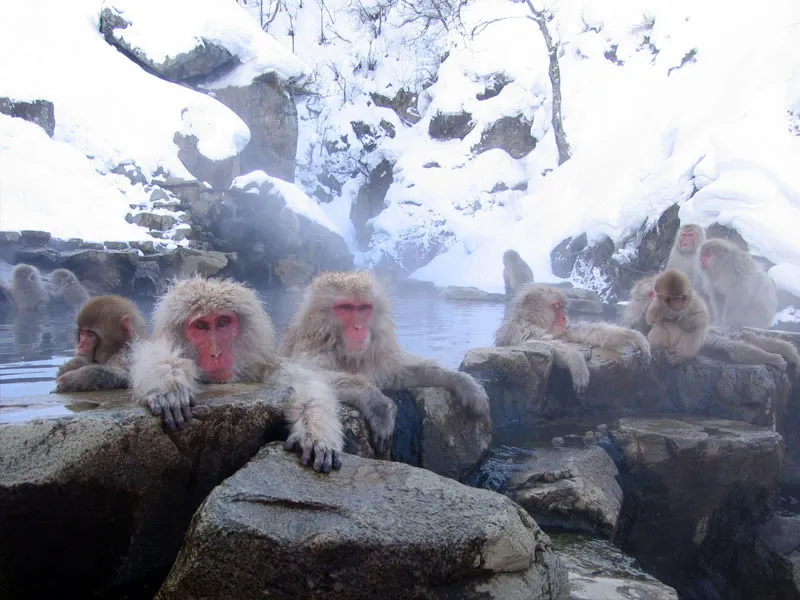
For most species of vertebrates, body mass increases the closer you get to the poles. The average weight of an adult male white-tailed deer in Florida, for instance, is about 125 pounds (57 kilograms), while a mature buck in Montana might weigh 250-275 pounds (114-125 kg).
For many types of animals, it pays to be bigger in the colder climates that exist at high latitudes and altitudes. Heftier animals have a smaller surface area-to-volume ratio, which helps reduce heat loss — a pattern known as Bergmann's Rule. (In general, a more massive organism has a smaller surface area-to-volume.)
There are several factors that can affect an animal's body size and weight, said Kyle Ashton, a herpetologist at the California Academy of Sciences in Golden Gate State Park in San Francisco. An abundant food supply, sexual selection for bigger males and encounters with competitors may all lead to bigger bodies.
While Bergmann's Rule explains how animals deal with issues of heat loss and heat regulation in the cold, there may be other reasons to pack more pounds in colder climates. "The bigger you are, the more fat you can store to help you get through the winter," said Ashton.
More nutritious foods may also fuel bigger body size closer to the poles, according to researchers from the University of Houston. Plants from higher latitudes tend to be softer and contain more nutrients than plants closer to the equator, they found.
While the pattern of bigger bodies in colder climates holds for most mammals, birds and some reptiles, such as turtles, lizards and snakes, seem to break the mold. "They reverse the rule and tend to be smaller in colder climates and bigger in warmer ones," said Ashton.
The verdict is still out on why some reptiles, which obtain their body heat from the external environment, follow the rule while others reverse it. Ashton suspects it may be advantageous for turtles, which may go several months without eating in colder climates, to carry extra fat stores. For lizards and snakes, some scientists think smaller bodies may warm faster in cold temperatures.
Feed your curiosity with an exclusive mystery every week, solved with science and delivered direct to your inbox before it's seen anywhere else.
Follow Life's Little Mysteries on Twitter @llmysteries. We're also on Facebook & Google+.