













Vulture Strike Blamed for Deadly Nepal Plane Crash
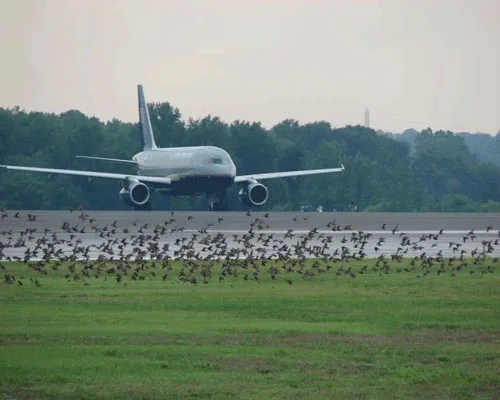
The plane crash in Nepal today (Sept. 28) that killed all 19 on board is suspected to have been caused by a bird strike, a primitive hazard that continues to pose a big threat to even the most modern aircraft.
The small twin-propeller plane went down minutes after taking off from Kathmandu on its way to the Mt. Everest region, and though a definitive cause for the wreck isn't yet known, BBC reports the pilot radioed to air traffic control that the plane had struck a vulture.
Bird strikes rarely cause enough damage to make the news, but they are an exceedingly common phenomenon. According to the Federal Aviation Administration (FAA), 2011 saw an average of nearly 28 wildlife strikes reported every day in the United States, 97 percent of which involved birds, with the rest mostly accounted for by collisions with terrestrial mammals on the runway.
Between 1988 and 2011, wildlife strikes killed more than 231 people and destroyed more than 220 aircraft globally, the FAA reports. [Infographic: Airplane Bird Strikes on the Rise]
The apparent incongruity of a single bird taking down many tons of flying steel is explained mostly by the tremendous speed of an aircraft. Because kinetic energy is proportionate to mass times velocity (speed in a certain direction) squared, even a few pounds of down and flesh can impart enough force to set off a compounding chain of mechanical failures in an aircraft engine.
For example, a 12-pound (5.5-kilogram) Canada goose struck by an aircraft traveling 150 mph (240 kilometers per hour) at lift-off generates the same kinetic energy as a 1,000-pound (450-kg) weight dropped from a height of 10 feet (3 meters), according to the Bird Strike Committee USA.
In 2009, a barrage of high-energy impacts, caused by a flock of hefty Canada geese, led to pilot Chesley (Sully) Sullenberger III's dramatic landing of a commercial jet on the Hudson River.
Get the world’s most fascinating discoveries delivered straight to your inbox.
Vultures, the type of bird implicated in the Nepal crash, are generally not as heavy as geese, but they are still among the most dangerous birds to aircraft in the United States. An FAA ranking of the hazard level of 108 bird species puts black vultures and turkey vultures in the second and fourth spots, respectively. Snow geese have the highest hazard level and Northern pintail ducks have the third highest.
Together, the two vulture species accounted for 518 bird strikes in the United States between 1988 and 2011, more than half of which damaged the aircraft involved.
U.S. airports now take measures to prevent bird strikes, including removing vegetation near landing strips and occasionally employing dogs and falcons to harass bird populations. Even so, the phenomenon has been steadily increasing over the past two decades.
This may be partly due to increased reporting, but the FAA speculates other contributing factors are at play, including increases in the populations of many large bird species commonly involved in strikes, an increase in flight traffic, and technological advances that have led to quieter jet engines that may be harder for birds to detect and avoid.
Follow Life's Little Mysteries on Twitter @llmysteries. We're also on Facebook & Google+.