













Noah's Arctic Ark for Seeds Set to Open

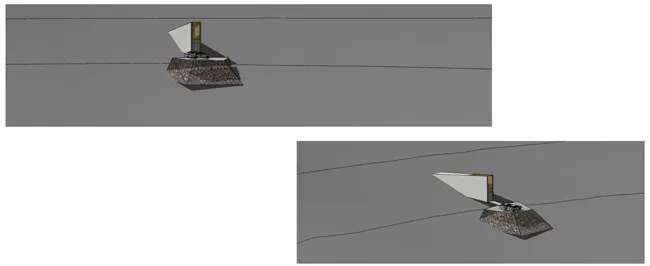
If much of civilization is ever wiped out, at least our seeds will survive.
The first specimens — 7,000 seeds from 36 African nations — have shipped to the Svalbard Global Seed Vault, a repository in the Arctic Circle being built to store a safety copy of vital agricultural information, in case disaster should befall us.
The vault is set to open Feb. 26. It is being built by the Norwegian government (Svalbard is part of the Kingdom of Norway), and when it opens its operation will be funded by the Global Crop Diversity Trust, a nongovernmental organization.
In order to protect humanity's agricultural heritage, the seed bank will hoard refrigerated samples of most of the world's food crops in a chamber dug 400 feet deep into the side of a frozen mountain on the island of Svalbard.
Shipments arriving
The shipment of 21 boxes, sent by the Nigeria-based International Institute of Tropical Agriculture (IITA), consists of thousands of duplicates of unique varieties of domesticated and wild cowpea (black-eyed pea), maize, soybean and Bambara groundnut.
“IITA’s gene bank houses the world’s largest collection of cowpea, with over 15,000 unique varieties from 88 countries around the world,” said Dr. Dominique Dumet, gene bank manager at IITA. “Cowpea is a key staple in Africa, offering an inexpensive source of protein.”
Get the world’s most fascinating discoveries delivered straight to your inbox.
This month, other shipments are being packed in Colombia, Ethiopia, India, Kenya, Mexico, Peru, the Philippines, Syria and Benin.
The seed vault is at the center of a global effort to conserve diversity and variation in the world's agricultural crops. Crop biodiversity is needed to equip plants with critical resistance to pests and diseases, and enable them to grow in harsher conditions of drought, salinity and flooding, which will likely increase with global climate change, particularly in poor nations.
Experts say it is particularly important to preserve samples of crops that are vital for nourishing human populations but receive less research and conservation attention. Such crops, including cowpea, cassava, yams, and millets, are known as “orphan” crops.
$100 billion
According to researchers at the World Vegetable Center in Taiwan, collectively, 27 “orphan” crops with a value of $100 billion are grown on 618 million acres (250 million hectares) in developing countries.
“So called ‘orphan’ crops like cowpea and groundnut are not minor or insignificant crops,” said Cary Fowler, executive director of the Global Crop Diversity Trust. “They are of great importance to regional food security. In addition, they are often adapted to harsh environments and are diverse in terms of their genetic, agroclimatic and economic niches.”
These crops may also vary in less obvious characteristics, such as their response to cold, heat or drought, or their ability to tolerate specific pests and diseases. Farmers and scientists continually draw on the genetic diversity held in crop collections like IITA’s to ensure productive harvests.
“Our ability to endow this facility with such an impressive array of diversity is a powerful testament to the incredible work of scientists at our centers, who have been so dedicated to ensuring the survival of the world’s most important crop species,” said Emile Frison, director general of Rome-based Bioversity International, which coordinates global crop diversity initiatives.
Storage of these and all other seeds at Svalbard is intended to ensure they will be available for bolstering food security should a man-made or natural disaster threaten agricultural systems, or even the gene banks themselves, at any point in the future.
- Video: The Arctic Meltdown
- Top 10 Ways to Destroy Earth
- Image Gallery: Earth From Above
