













Horse-Branding Is Unreliable, Vets Say

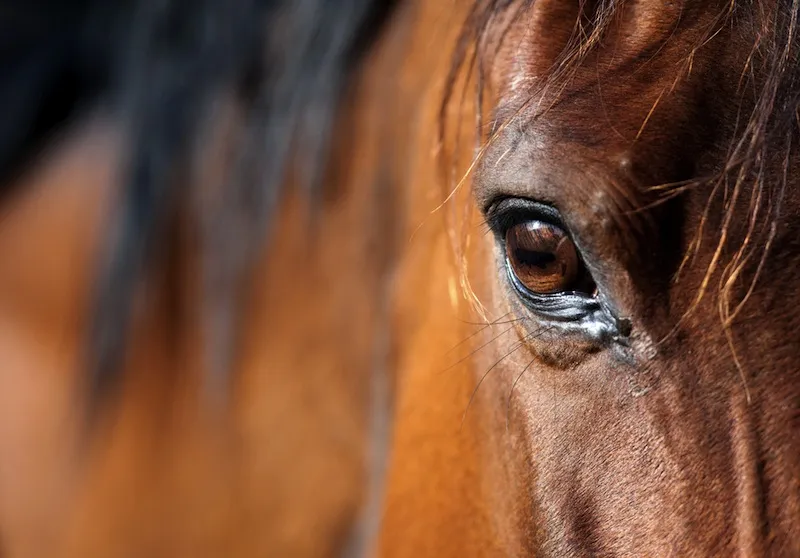
Ranchers might want to put down their hot irons. New research suggests branding horses not only hurts the young animals but also proves to be an unreliable identification system.
A team from the University of Veterinary Medicine in Vienna set out to test the legibility of brand markings, which typically combine a symbol for the particular breed with a two-digit, individual ID number. In the study, three experts were tested on how well they could decode the markings on about 250 horses at an equestrian tournament in Germany. Their scores weren't so hot.
The experts got the breed symbol right for about 84 percent of the animals, and only correctly identified 40 percent of the two-digit numbers. In another test on 28 dead horses, just nine brand marks could be identified correctly. And for six of those horses, the brand symbol and the two-digit number were totally illegible, even after the animals were shaved at the site of branding, the researchers said.
"Branding is clearly associated with local tissue damage and the markings are often insufficiently clear to be decoded, even by experienced observers or after the horse has died," researcher Jörg Aurich said in a statement from the University of Veterinary Medicine. "There really isn't any reason to continue to mark horses in this outdated way."
Marking horses and other livestock is important for preventing the spread of disease and ensuring best breeding practices. The researchers say microchip implants, which are already being used in some places, would be more effective and less painful than branding. The study appeared this month in the Veterinary Journal.
Follow LiveScience on Twitter @livescience. We're also on Facebook & Google+.
Get the world’s most fascinating discoveries delivered straight to your inbox.
