













Bioengineered Bacteria Pump Out Fuel for Cars

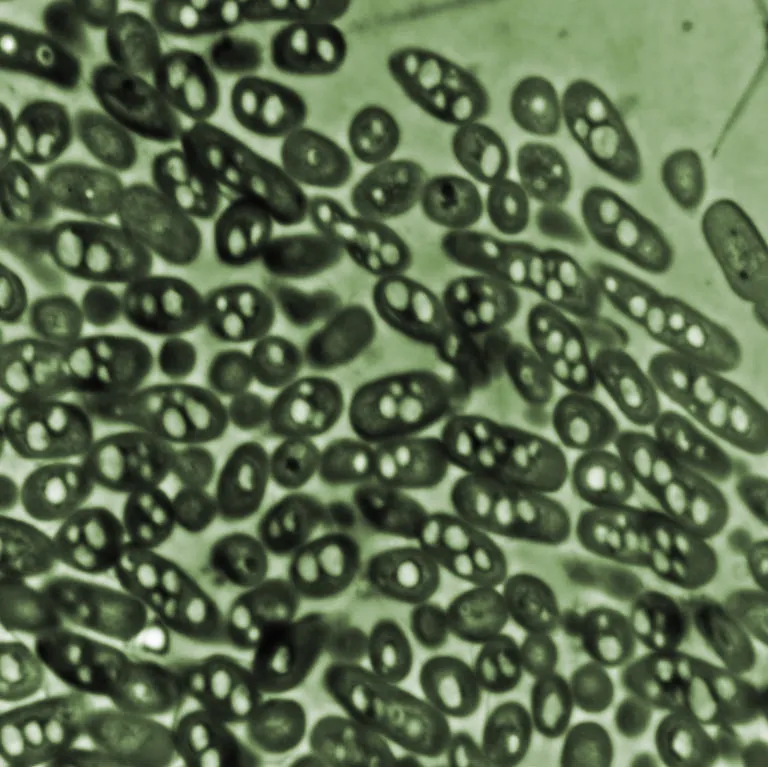
A humble soil bacteria has become a genetically engineered factory capable of making fuel for cars. But the project still has to get out of the lab and scale up to industrial-size production.
The MIT project aims to make transportation fuels 10 times more efficiently than existing biofuels derived from living organisms. Researchers swapped out the genes of the R. eutropha bacterium so that it can create isobutanol — an alcohol that can replace or blend with gasoline used by vehicles.
"We've shown that, in continuous culture, we can get substantial amounts of isobutanol," said Christopher Brigham, a biologist at MIT.
Many similar projects use microbes that make the biofuels within their bodies, so that researchers must kill the microbes to get the fuel out. But the MIT effort has succeeded in making the bacteria spit gasoline out into the surrounding liquid medium for easy harvesting.
The natural bacteria usually stores carbon by creating carbon polymers similar to petroleum-based plastics. Brigham and his colleagues — Jingnan Lu, Claudia Gai and Anthony Sinskey — managed to remove several genes while adding another organism's gene so that the bacteria made isobutanol rather than the carbon polymer.
For their next trick, the MIT researchers hope the genetically engineered bacteria could eventually transform carbon dioxide into fuel — a way of using up the greenhouse gas that contributes heavily to global warming. The bacteria already naturally use hydrogen and carbon dioxide for growing.
Additional modifications could allow the bacteria to use carbon from sources such as agricultural field waste or city waste. The research received about $1.8 million from ARPA-E, the U.S. Department of Energy's research arm for high-risk, high-reward projects, from July 2010 until July 2013.
Get the world’s most fascinating discoveries delivered straight to your inbox.
The MIT research is detailed in the August issue of the journal Applied Microbiology and Biotechnology.
This story was provided by InnovationNewsDaily, a sister site to LiveScience. Follow InnovationNewsDaily on Twitter @News_Innovation, or on Facebook.
