













Climate Change Pushes Butterflies North

Butterfly populations in Massachusetts have shifted north over the past two decades likely in response to climate change, new research shows.
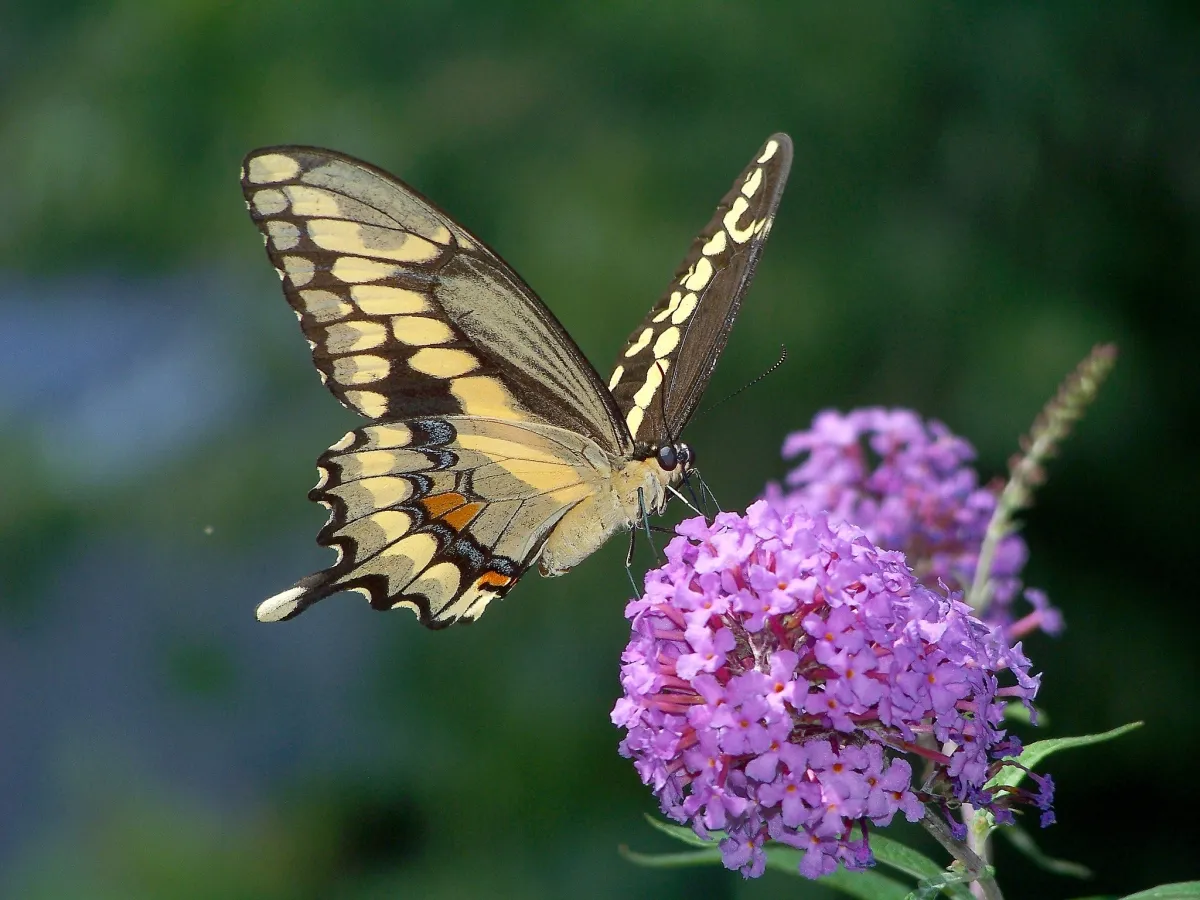
Species that are used to subtropical and warm climates, such as the giant swallowtail and zabulon skipper, were rare or absent in Massachusetts in the late 1980s. But now these butterflies are showing up in high numbers in the state, the Harvard study found.
Meanwhile, more than three quarters of northerly species, usually found north of Boston, seem to be fleeing Massachusetts to beat the heat. Populations of the atlantis fritillary and acadian hairstreak, for example, may have dropped by more than 80 percent, the researchers said. Species that spend the winter as eggs or small larvae and rely on snow cover seem to be the worst affected, according to the study.
The analysis, which appears in the journal Nature Climate Change, draws on 19 years worth of data from the Massachusetts Butterfly Club, an amateur group that recorded species counts on nearly 20,000 expeditions in the state. The researchers said their findings raise questions about butterfly conservation efforts.
"For most butterfly species, climate change seems to be a stronger change-agent than habitat loss," researcher Greg Breed, a post-doctoral fellow at the Harvard Forest in Petersham, Mass., said in a statement. "Protecting habitat remains a key management strategy, and that may help some butterfly species. However, for many others, habitat protection will not mitigate the impacts of warming."
This isn't the first time scientists have linked warming climates to shifting butterfly communities. Previous research found that butterflies in the Rocky Mountains are likely taking a hit from climate change because earlier snowmelts were killing off the wild flowers they feed on. Other research showed that warming in Great Britain has triggered the brown argus butterfly to spread dozens of miles northward on the island over 20 years.
Follow LiveScience on Twitter @livescience. We're also on Facebook & Google+.
Get the world’s most fascinating discoveries delivered straight to your inbox.
