













Women Who Fear Childbirth Have Longer Labor

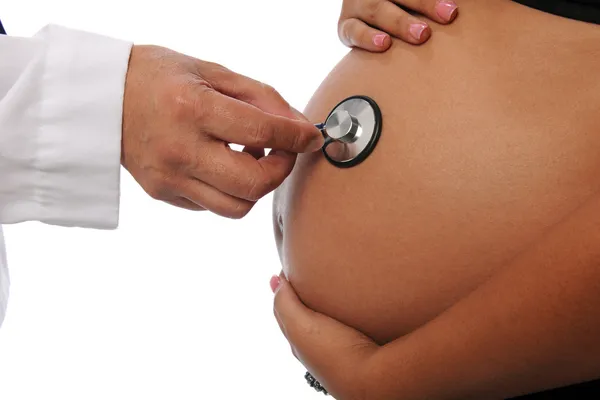
Don't let this scare you, but labor takes 47 minutes longer for women who fear childbirth, a new study from Norway finds.
The study, which involved more than 2,000 women, was one of the first to look at the relationship between fear of childbirth and labor duration, the researchers said.
It's too soon to say exactly what the findings mean for women, the researchers said. Generally, longer labor is undesirable because, aside from increasing women's discomfort, it also increases the need for interventions such as the use of forceps or cesarean delivery.
However, a large portion of women in the study who feared labor had a successful vaginal delivery, said study researcher Dr. Samantha Salvesen Adams, of Akershus University Hospital. "Therefore, elective cesarean delivery should not be routinely recommended," Adams said.
Adams and colleagues analyzed information from 2206 pregnant women who were scheduled to give birth at a hospital in Norway between 2008 and 2010. At 32 weeks of pregnancy, women completed a questionnaire to assess their fear of childbirth.
About 7.5 percent of women met the criteria for having a fear of childbirth (a score of 85 out of 165 points in the questionnaire.)
The average duration of labor was eight hours for women with fear of childbirth, compared with six hours and 28 minutes for women without fear.
Get the world’s most fascinating discoveries delivered straight to your inbox.
After adjusting for factors that could affect the length of labor, such as previous pregnancies, use of an epidural, or labor induction, women with a fear of childbirth still took about 47 minutes longer to give birth compared to women without fear, the researchers said.
The study also found that women with fear of childbirth more often delivered by instrumental vaginal delivery (17 percent versus 10.6 percent), or emergency cesarean delivery (10.9 percent versus 6.8 percent) as compared to women without fear of childbirth.
However, 93.2 percent of women who feared childbirth had a vaginal delivery as planned, compared with 89.1 percent of women with no fear.
Anxiety and fear may increase blood concentrations of hormones called catecholamines, which in turn may weaken the ability of the uterus to contract, the researchers said.
In addition, poor communication between the patient and her doctor may delay the use of interventions, and prolong labor, the researchers said.
Counseling for concerns with pregnancy may improve communication skills and reduce anxiety. Therefore, such counseling is beneficial for women who fear childbirth, the researchers said.
The study will be published tomorrow (June 27) in BJOG: An International Journal of Obstetrics and Gynaecology.
Pass it on: Women who fear labor spend longer in childbirth.
This story was provided by MyHealthNewsDaily, a sister site to LiveScience. Follow MyHealthNewsDaily on Twitter @MyHealth_MHND. We're also on Facebook & Google+.
