
 Live Science Plus


Women with Heart Disease More Likely to Have Baby Girls, Study Finds

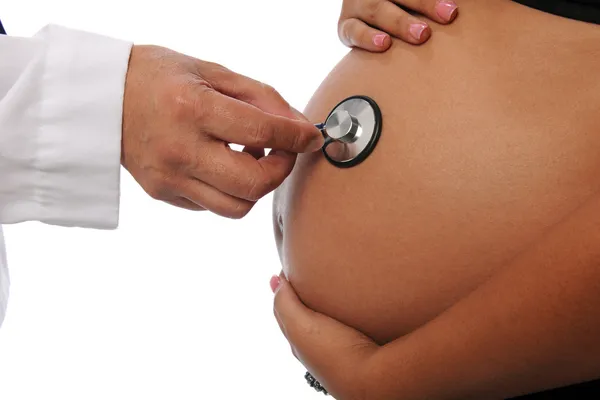
Pregnant women with heart disease are more likely to give birth to girls than boys, according to a new study from Iran.
The study involved 200 pregnant women diagnosed with heart disease who were referred to a heart center for delivery. Of the 216 children born to these women, 75 percent were girls.

The reason for the skewed sex ratio among babies born to women with heart disease is not known. The researchers, from Tabriz University in Iran, said they hope their study spurs additional research into the link. The study was presented today (April 20) at the World Congress of Cardiology in Dubai.
"Chromosomes in a man's sperm are responsible for the sex of a baby," Dr. Kathryn Taubert, chief science officer at the World Heart Federation, said in a statement. "But this study does suggest that there may be a relationship between the health status of the mother and the sex of the babies that she is able to carry to full-term," said Taubert, who was not involved in the study.
The average age of women in the study was 29. Most women (64 percent) had a form of heart disease than involves problems with the heart valve. Nineteen percent had dilated cardiomyopathy, a condition in which the heart becomes weakened and enlarged, and is not able to pump blood efficiently. Fourteen percent had a problem with their heart's structure and function that was present since birth.
Sperm carry either an X or Y chromosome, while eggs carry only an X chromosome. When a sperm cell with an X chromosome unites with an egg, a female born. When a sperm with a Y chromosome unites with an egg, a male is born.
A study published last month suggested women are more likely to give birth to girls during a famine. Those researchers speculated this might be because, in a famine, male sperm carrying a Y chromosome were less likely to fertilize eggs. It could also be that, during famine, fetuses carrying a Y chromosome were more likely to be miscarried, the researchers said.
Pass it on: Women with heart disease may be more likely to give birth to girls.
This story was provided by MyHealthNewsDaily, a sister site to LiveScience. Follow MyHealthNewsDaily on Twitter @MyHealth_MHND. Find us on Facebook.
