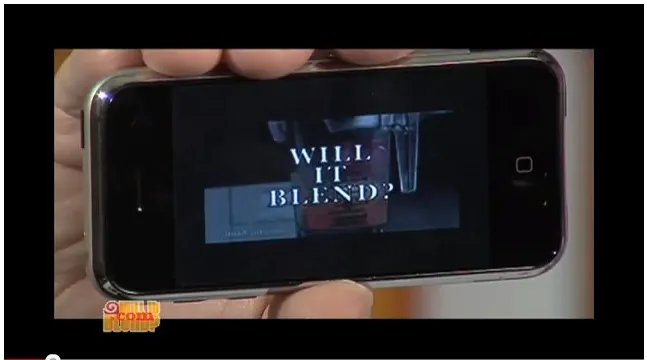
More than 10 million people have watched a YouTube video of an iPhone being pulverized in a blender. It's actually a commercial for Blendtec — a company most viewers had probably never heard of. But with the viral clip, Blendtec let social networking spread its name and message rather than paying for a mass advertising campaign. And it worked like a charm.
"Viral-produced movies" are the new holy grail of advertising, but they're tough to pull off. Only the fittest among them can overcome the slight annoyance people feel when they realize a video they enjoyed was actually an ad — and yet compel them to share it with friends anyway. As Brent Coker, a marketing professor at the University of Melbourne in Australia, says, "Ensuring the success of a viral-produced movie is still largely hit-and-miss … babies, pranks, and stunts seem to have great success on some occasions, but turn into catastrophic failures on others." [See video examples]
So what defines a great ad — one that a viewer will choose to post to Facebook?
Latest Videos From
Coker has come up with a recipe for success called the branded viral movie predictor algorithm. According to the algorithm, the four ingredients required for a video to go viral are congruency, emotive strength, network involvement, and something called "paired meme synergy."
First, the themes of a video must be congruent with people's pre-existing knowledge of the brand it is advertising. "For example, Harley Davidson for most people is associated with Freedom, Muscle, Tattoos, and Membership," Coker explained on his website. Videos that strengthen that association meet with approval, "but as soon as we witness associations with the brand that are inconsistent with our brand knowledge, we feel tension." In the latter case, few people will share the video, and it will quickly "go extinct."
Second, only viral-produced videos with strong emotional appeal make the cut, and the more extreme the emotions, the better. Happy and funny videos don't tend to fare as well as scary or disgusting ones, Coker said. [What Is the Most Disgusting Thing In the World?]
Third, videos must be relevant to a large network of people — college students or office workers, for example.
And last, Coker came up with 16 concepts — known on the Internet as "memes" — that viral-produced videos tend to have, and discovered that videos only go viral if they have the right pairings of these concepts. "When combined, some combinations appear to work better together than others," he told Life's Little Mysteries.
For example, the concept he calls Voyeur, which is when a video appears to be someone's mobile phone footage, works well when combined with Eyes Surprise — unexpectedness. These also work well in combination with Simulation Trigger, which is when "the viewer imagines themselves being friends [with the people in the video] and sharing the same ideals," he said.
According to Coker, one viral video that used all three of those memes — and exemplified the other BVMP strategies, too — was a 2007 ad by Quiksilver, the beach apparel company. The grainy footage showed surfers throwing dynamite in a river and surfing on the resulting waves. It quickly topped 1 million views.
This story was provided by Life's Little Mysteries, a sister site to LiveScience. Follow Natalie Wolchover on Twitter @nattyover. Follow Life's Little Mysteries on Twitter @llmysteries, then join us on Facebook.

 Live Science Plus