













Complexity of Teardrops Revealed
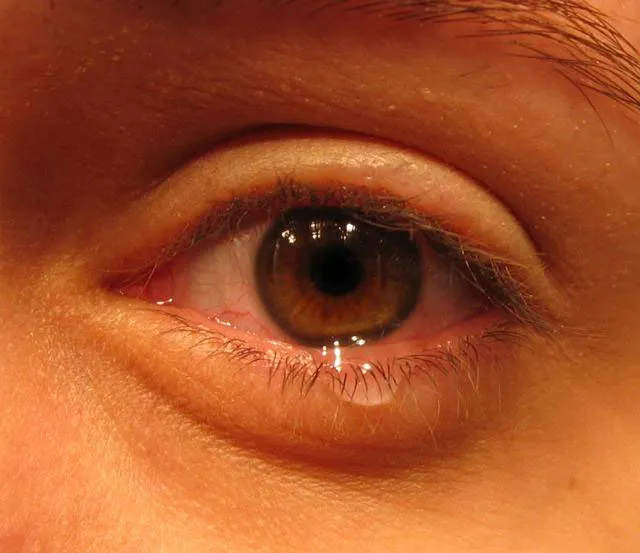
Tears can signal everything from sorrow to joy to bitter frustration, but until recently little was known about the composition of the tear itself. So little in fact that scientists discovered an entirely new class of lipids—a type of fat—while researching the tear’s design.
The findings, published in this month’s issue of Investigative Ophthalmology & Visual Science, could lead to treatments for dry eye, a condition that affects up to 14 million Americans, researchers say.
((ImgTag||right|null|null|null|false))Each tear is composed of a watery layer sandwiched between an inner layer of mucus and an oily outer layer made of lipids and other fats. Each time we blink, the oily layer blankets the eye, sealing in moisture.
- Why Do We Cry?
Researchers identified the substances that make up the oily layer and were surprised to find a class of lipids no one had come across before, called fatty acid amides, said lead author Kelly Nichols, an assistant professor of optometry at Ohio State University.
They also found oleamide, a lipid previously seen only in the brain and central nervous system. Oleamide has been linked to sleep regulation and has also been shown to enable communication between nerve cells. The scientists speculate it may allow for similar communication between cells at the front of the eye.
If there is insufficient or excess oleamide—or any of the other fatty components—the oily lipid layer could lose its ability to keep moisture locked in, resulting in dry eye, Nichols said.
- Why Do We Blink?
Dry eye, she explained, is not just one condition but several that involve irritation at the front of the eye. The symptoms include aching, burning, dryness and excessive tearing. Sufferers may also complain of variable vision.
Get the world’s most fascinating discoveries delivered straight to your inbox.
“Tears make a smooth refracting surface for vision, so if it’s not smooth, you can have variability in vision,” Nichols said. Contact lens wearers are more likely to suffer and women are more susceptible than men.
Nichols believes the findings could someday lead to a simple screening test in which doctors “will take a sample of your tears, press a button, and be able to look for biomarker that will tell us whether or not you have dry eyes and which kind of treatment will help you.”
- Urban Legends Debunked
- Why Does Slicing Onions Make Me Cry?
- How the Human Eye Works
- The Biggest Popular Myths
- What is 20/20 Vision?