
-
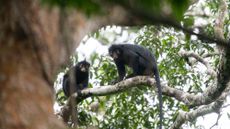 Orange-lipped monkey that roars and snorts deep in Congo rainforest is new species to science
A striking new monkey species, Colobus congoensis, was discovered deep in the Congo rainforest and has been scientifically described for the first time.
primates -
 World's rarest great ape decimated by 4 days of extreme rain, with 7% of population lost to cyclone
Around 58 of Indonesia's Tapanuli orangutans were crushed or buried alive by landslides brought on by the climate-change-fueled Cyclone Senyar.
2 Commentsprimates -
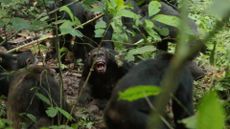 Chimpanzees in Uganda are locked in a deadly 'civil war' after their group split apart — and scientists don't know why
The first well-observed "civil war" in wild chimpanzees reveals that shifting social ties alone can fracture a group, igniting deadly conflict between former friends.
8 Commentsprimates -
 Bonobos are just as aggressive as chimps, but there's a key difference — the female bonobos
A new study of chimpanzee and bonobo groups at zoos reveals similar levels of aggression. However, scientists found stark sex-based differences between the species.
6 Commentsprimates -
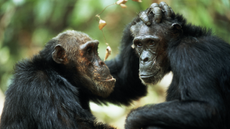 'Part of the evolutionary fabric of our societies': Same-sex sexual behavior in primates may be a survival strategy, study finds
A new study comparing 59 species of primates linked same-sex sexual behavior to scarce resources and more predators in socially complex species. The findings show diverse sexual behaviors are common — and likely beneficial in primates.
primates -
 Why can't you wiggle your toes one at a time?
Opinion A biological anthropologist explains why humans can't wiggle their toes in the same way they can wiggle their fingers.
Opinion -
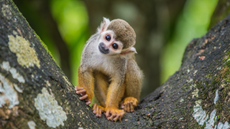 Primates Quiz: Go ape and test your knowledge on our closest relatives
Time to stop monkeying around — just don't go bananas if you get the wrong answer!
2 Commentsprimates -
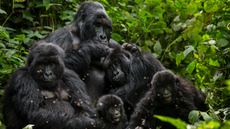 Science history: Dian Fossey found murdered, after decades protecting gorillas that she loved — Dec. 27, 1985
Dian Fossey was a zoologist who spent decades studying the elusive mountain gorillas of Congo and Rwanda before she was murdered.
primates -
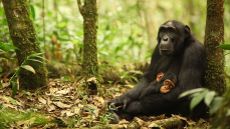 A decade-long chimp war ended in a baby boom for the victors, scientists discover
A deadly conflict between rival groups of chimpanzees in Uganda led to comprehensive victory and a bounty of territory and food — does it show why humans go to war?
4 Commentsprimates


