-
 Japan earthquake & tsunami of 2011: Facts and information
Facts and information about the March 11, 2011, earthquake and tsunami that struck Japan.
earthquakes -
 The Weird Reason 'Tsunami Fires' Broke Out After Japan Earthquake
Here's why the ocean appeared white and bubbling after a tsunami hit Okushiri Island.
earthquakes -
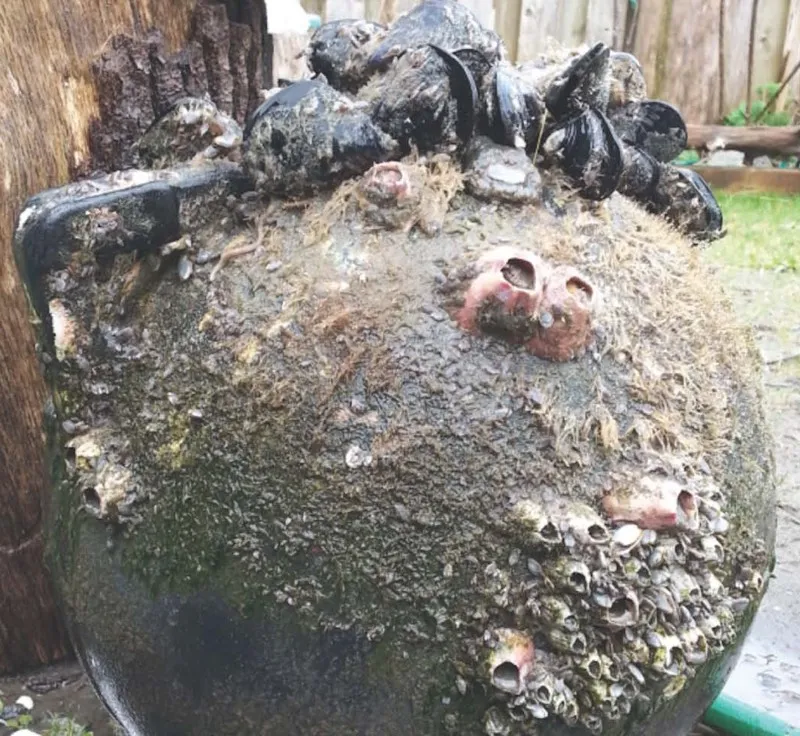
 Marine Invaders: Japanese Tsunami Brought 300 Species to US Shores
Plastic made the mass migration possible.
earthquakes -
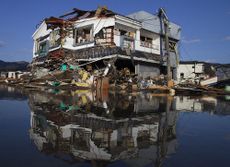 Seismic Zone Off Alaska Could Trigger Massive Earthquake and Tsunami
A so-called seismic zone off the coast of Alaska could trigger deadly tsunamis like the one that caused the Fukushima nuclear disaster in Japan in 2011, a new study finds.
earthquakes -
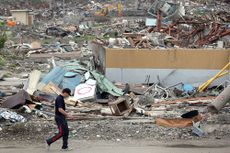 Why Do So Many Big Earthquakes Strike Japan?
Over the course of its history, Japan has seen its share of shaking, but what makes this part of the world so susceptible to big earthquakes?
earthquakes -
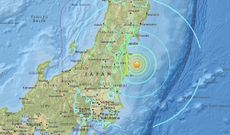 Major Earthquake Strikes off Fukushima
A magnitude-6.9 earthquake struck off the coast of Fukushima, Japan, today (Nov. 21), triggering a tsunami warning.
earthquakes -
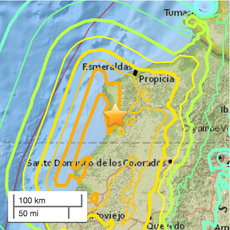 Earthquakes in Japan and Ecuador Aren't Related: Here's Why
They may have happened within days of one another, but the devastating earthquakes in Japan had nothing to do with the strong temblor that struck Ecuador over the weekend, experts say.
earthquakes -
 Migrating Earthquakes Could Make Prediction Possible
Big earthquakes in Chile and Japan reveal that migrating series of small earthquakes could signal coming events, providing a means of earthquake prediction.
earthquakes -
 Disaster Survivors: How Stress Changes the Brainneuroscience