
-
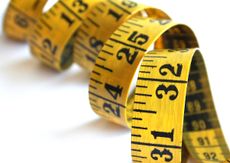 Why doesn't the US use the metric system?
Identity, politics and good, old fashioned resistance to change.
human-behavior -
 Instead of just flattening the COVID-19 curve, can we 'crush' it?
A veteran public health scholar argues we can defeat COVID-19 in just 10 weeks if we take a "concerted and determined" approach.
coronavirus -
 Americans' Well-Being Declines for 1st Time Since 2014
After three years of improvement, the well-being of Americans ticked downward in 2017, according to a new poll, though some demographics were spared.
sex -
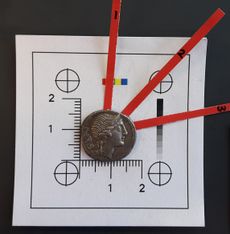 Roman Change: Ancient Coins Reveal Rise of an Empire
By tracing the lead isotopes in silver coins from ancient Rome, researchers found a shift in the source of the coins' metal that corresponds with Rome's rise to power.
romans -
 Bill Nye Is Marching Because 'Science Is Part of Politics'
Bill Nye, the acclaimed science guy, wants to know: "Are you planning to march?"
human-behavior -
 Food for Thought: Americans Just Can't Stop Throwing Out Food
Although the vast majority of Americans feel bad about throwing out food, most of us also think it would be hard to reduce the amount of food we throw away, a new survey finds.
food-drink -
 As Privacy Fades, Your Identity Is the New Money (Op-Ed)
Opinion Companies mine your identity for profit, but what's your cut?
Opinion -
 Photos: Canine Catacomb Was Tribute to Ancient Death Godancient-egyptians
 -
 8 Million Dog Mummies Found in 'God of Death' Mass Gravedogs


