















The Dirty Truth about Washing Your Hands

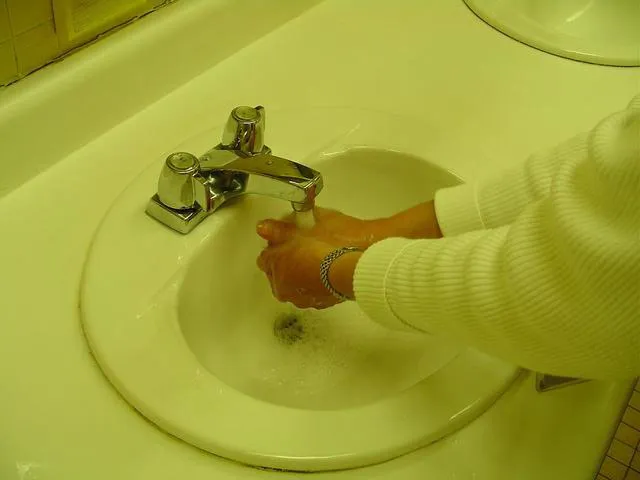
Busy health-care workers typically wash their hands for just 10 seconds, according to a new study. Thankfully, they use soap.
The combination is effective.
But don't waste your money on that alcohol-based, water-free hand-cleaner. Convenient, yes, but less effective.
Billed as the most comprehensive study of its kind, involving 62 volunteers and 14 different hygiene products, the research found that soap and a few seconds of scrubbing washes most trouble down the drain.
"Previous studies have had people clean their hands for 30 seconds or so, but that's not what health-care workers usually do in practice, and we wanted to test the products under realistic conditions," said Emily Sickbert-Bennett, a public health epidemiologist at the University of North Carolina (UNC).
With 10 seconds of scrubbing, soap and water gets rid of the common cold virus, hepatitis A, and a host of other illness-bearing germs, the study found.
Anti-microbial agents -- the soap in a bottle you pay more for at Safeway -- were best at reducing bacteria, the research found. Waterless, alcohol-based agents had variable and sometimes poor effects, becoming less effective after multiple washes, Sickbert-Bennett said.
Get the world’s most fascinating discoveries delivered straight to your inbox.
For removing viruses from the hands, physical removal with soap and water was most effective, the study concludes, because some viruses are hardy and relatively resistant to disinfection.
The research, funded by the North Carolina state government, is detailed in the March issue of the American Journal of Infection Control.
"These findings are important because health-care associated infections rank in the top five causes of death, with an estimated 90,000 deaths each year in the United States," said fellow UNC researcher William Rutala. "Hand hygiene agents have been shown to reduce the incidence of health-care associated infections, and a variety of hand hygiene agents are now available with different active ingredients and application methods."
