
 Live Science Plus


Should Seniors Worry About Hearing Loss?
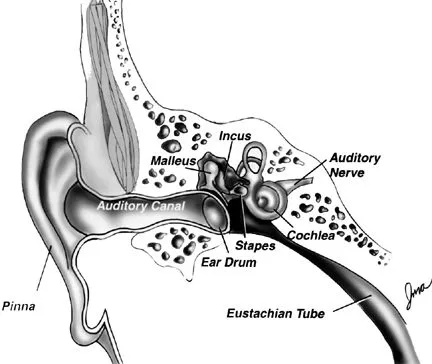
This Week's Question: I'm 67 and have always had very good hearing. Lately, I've noticed that I can't pick up some things my grand-daughter says. Is this significant? About one in three Americans over 60 suffer from loss of hearing, which can range from the inability to hear certain voices to deafness. There are two basic categories of hearing loss. One is caused by damage to the inner ear or the auditory nerve. This type of hearing loss is permanent. The second kind occurs when sound can't reach the inner ear. This can be repaired medically or surgically. Presbycusis, one form of hearing loss, occurs with age. Presbycusis can be caused by changes in the inner ear, auditory nerve, middle ear, or outer ear. Some of its causes are aging, loud noise, heredity, head injury, infection, illness, certain prescription drugs, and circulation problems such as high blood pressure. It seems to be inherited. Tinnitus, also common in older people, is the ringing, hissing, or roaring sound in the ears frequently caused by exposure to loud noise or certain medicines. Tinnitus is a symptom that can come with any type of hearing loss. Hearing loss can by caused by "ototoxic" medicines that damage the inner ear. Some antibiotics are ototoxic. Aspirin can cause temporary problems. If you're having a hearing problem, ask your doctor about any medications you're taking. Loud noise contributes to presbycusis and tinnitus. Noise has damaged the hearing of about 10 million Americans, many of them Baby Boomers who listened to hard rock with the volume turned up as far as possible. Hearing problems that are ignored or untreated can get worse. If you have a hearing problem, see your doctor. Hearing aids, special training, medicines and surgery are options. Your doctor may refer you to an otolaryngologist, a physician who specializes in problems of the ear. Or you may be referred to an audiologist, a professional who can identify and measure hearing loss. An audiologist can help you determine if you need a hearing aid. There other "hearing aids" you should consider. There are listening systems to help you enjoy television or radio without being bothered by other sounds around you. Some hearing aids can be plugged directly into TVs, music players, microphones, and personal FM systems to help you hear better. Some telephones work with certain hearing aids to make sounds louder and remove background noise. And some auditoriums, movie theaters, and other public places are equipped with special sound systems that send sounds directly to your ears. Alerts such as doorbells, smoke detectors, and alarm clocks can give you a signal that you can see or a vibration that you can feel. For example, a flashing light can let you know someone is at the door or on the phone.
- The Top 10 Worst Hereditary Conditions
- Nobody is Listening to the Modern Hearing Problem
- Body Quiz: What the Parts Do
The Healthy Geezer column publishes each Wednesday on LiveScience. If you would like to ask a question, please write fred@healthygeezer.com. © 2009 by Fred Cicetti.
Get the world’s most fascinating discoveries delivered straight to your inbox.