













Cages Change Mice Brains, Lab Studies Questioned

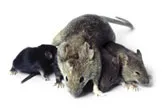
Scientists rely on lab rats and mice as models to shed light on the human condition. But a new study suggests researchers will have to rethink the whole process.
The type of cage a mouse is housed in affects that mouse's brain, in a "breakthrough that may require scientists to reevaluate the way they conduct future experiments," according to a statement about the research.
"We assume that mice used in laboratories are all the same, but they are not," said Diego Restrepo, director of the neuroscience program and professor of cell and developmental biology at the University of Colorado. "When you change the cages you change the brains, and that affects the outcomes of research."
Mice are the the most commonly used mammal for research on a range of of issues that impact understanding of the human mind and body, from cancer to genetics and neuroscience. A key to the process is that no single study is typically relied on to reach firm conclusions. Rather, researchers from different universities compare experimental results.
But Restrepo says some of these comparisons may not be trustworthy.
The brains of mice are extremely sensitive to their environment and can physically change when moved from an enclosure where air circulates freely to one where it doesn't, the study found. The olfactory bulb, responsible for the sense of smell, is altered. Also, levels of aggression were found to change when mice are moved from one type of cage to another.
The results, he says, can greatly affect the accuracy of the research. Two labs doing the same experiments may get totally different results and never know why.
Get the world’s most fascinating discoveries delivered straight to your inbox.
"This could explain some of the failures to replicate findings in different laboratories and why contradictory data are published by different laboratories even when genetically identical mice are used as subjects," Restrepo said.
The findings were published in the journal PLoS One.
- Why Lab Animals Are Still Used
- Real or Fake? 8 Bizarre Hybrid Animals
- Mice Levitated in Lab
