














Colorectal Cancer Rates Rise Sharply in Younger US Adults

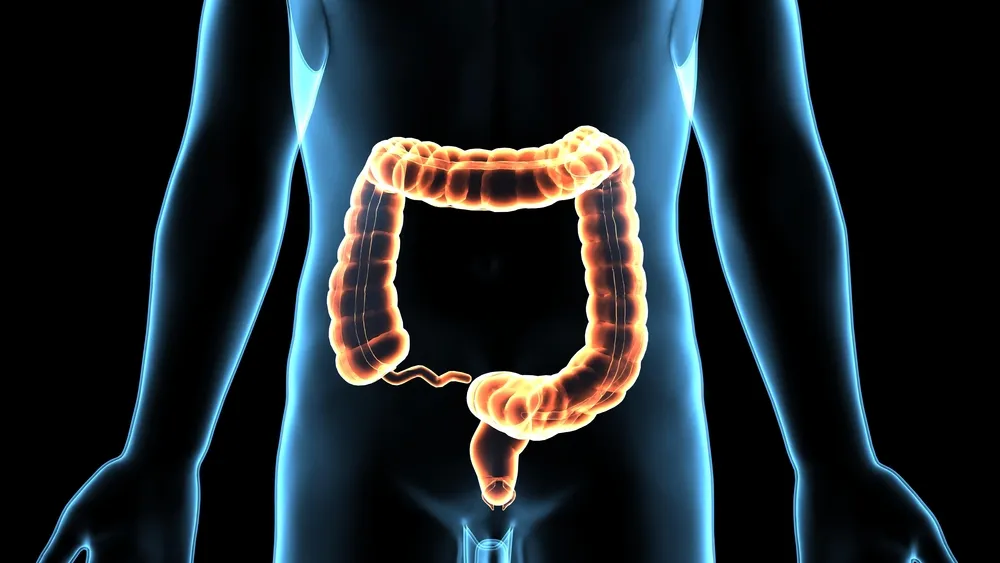
Colorectal cancer rates are on the rise among millennials and Gen Xers in the U.S., a new study finds. The findings come as rates of these cancers have continued to decline in adults ages 55 and up, according to the study.
People in the U.S. born in 1990 now have double the risk of colon cancer and quadruple the risk of rectal cancer compared to people born in 1950, the scientists found.
In the study, the researchers looked at data from the Surveillance, Epidemiology and End Results (SEER) Program, a government registry of cancer diagnoses. The data included all cases of colon and rectal cancer that occurred from 1974 to 2013 in nine regions of the United States in adults ages 20 and older. [7 Cancers You Can Ward Off with Exercise]
The analysis included nearly 500,000 cases, according to the study, published today (Feb. 28) in the Journal of the National Cancer Institute.
The researchers found that in the late 1970s and early 1980s, the rates of colon cancer among adults ages 50 and up increased, and the rates among adults under age 50 decreased.
From the mid-1980s through 2013, however, the rates of colon cancer among adults ages 55 and up declined, according to the study. But for younger adults, colon cancer rates increased during the same period. For example, in adults ages 20 to 29, the rate of colon cancer increased by 2.4 percent each year, and for adults ages 30 to 39, the rate increased by 1 percent each year.
In the mid-1990s, the rates of colon cancer increased in adults in their 40s (1.3 percent each year) and adults ages 50 to 54 (0.5 percent each year), the researchers also observed.
Get the world’s most fascinating discoveries delivered straight to your inbox.
For rectal cancer, the changes in the rates were more pronounced, the study said.
While rectal cancer rates decreased throughout the course of the whole study period for adults ages 55 and up, the rate of rectal cancer increased by 3.2 percent each year for those ages 20 to 29. Rectal cancer rates in adults in their 30s increased at the same pace — 3.2 percent each year — starting in 1980, the researchers found. And since the 1990s, rectal cancer rates have increased by 2.3 percent each year for adults ages 40 to 54.
The researchers also looked back at the rates of colorectal cancer for people born each decade dating back to the 1890s. The rates of the disease were lowest for those born in the 1950s, the researchers found.
"Trends in young people are a bellwether for the future disease burden," lead study author Rebecca Siegel, an epidemiologist at the American Cancer Society, said in a statement.
"Our finding that colorectal cancer risk among millennials has escalated back to the level of those born in the late 1800s is very sobering," Siegel said.
The increase in risk for younger generations may be due to lifestyle factors, which include excess weight, high consumption of red meat and alcohol, and low levels of physical activity and fiber consumption, the researchers wrote in the study.
Reversing these factors could help reduce people's risk of developing colorectal cancer, the researchers noted. However, making these changes can take time, so it's important to educate younger adults and their doctors about the rising rates of the disease, the researchers said.
"Educational campaigns are needed to alert clinicians and the general public about this increase, to help reduce delays in diagnosis," Siegel said.
Originally published on Live Science.
