













High-Salt Diet May Double Diabetics' Heart Disease Risk

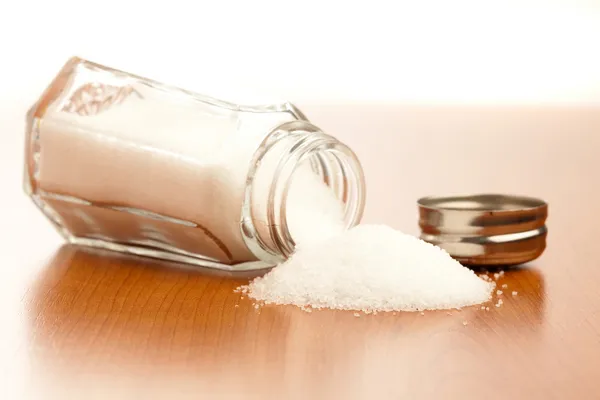
It's not only sugar that raises alarms for people with diabetes. Eating a high-salt diet may double the risk of developing heart disease in people with diabetes, according to a new study from Japan.
For any person, too much salt in the diet can raise blood pressure, which is a major risk factor for developing heart disease. To assess how people with diabetes fare in relation to the salt in their diet, the researchers surveyed nearly 1,600 diabetic patients, ages 40 and 70, from across Japan. The study participants answered questions about their diets, including their sodium intake, and were followed for eight years.
Participants with the highest sodium intake (about 6,000 milligrams per day, on average) were twice as likely to develop heart disease over the study period than those with the lowest sodium intake (about 2,800 milligrams per day, on average), the researchers found. Among the 359 people with the highest sodium intake, 41 developed heart disease, compared with 23 of the 354 people with lowest sodium intake. [4 Tips for Reducing Sodium]
"To reduce the risk of developing cardiovascular disease, it is important for people who have Type 2 diabetes to improve their blood sugar control as well as watch their diet," study researcher Chika Horikawa, of the University of Niigata Prefecture in Japan, said in a statement.
The researchers adjusted the results for other factors that may contribute to people's heart disease risk, such as their alcohol consumption and total calorie intake, according to the study published today (July 22) in the Journal of Clinical Endocrinology & Metabolism.
The findings add to the evidence that consuming less salt could help prevent dangerous complications from diabetes, the researchers said.
The negative effects of salt on blood pressure and heart health has long been established. Even for healthy, young people, dietary guidelines recommend limiting sodium to less than 2,300 mg a day. A limit of 1,500 mg is recommended for groups at increased risk of heart disease, including African-Americans, people older than 51, and people with high blood pressure, kidney disease or diabetes.
Get the world’s most fascinating discoveries delivered straight to your inbox.
The average American takes in about 3,300 mg of sodium per day, according to the Centers for Disease Control and Prevention.
Main sources of salt in people's diet include salt used in cooking and sodium naturally found in meat, vegetables and dairy, as well as processed foods, which have high levels of sodium.
People with Type 2 diabetes have high blood sugar levels, which can lead to serious health problems if left untreated, and the condition is a risk factor for heart disease. More than 29 million people in the United States have type 2 diabetes, and another 86 million have high blood sugar levels and could progress to having diabetes, according to the CDC.
In the study, the researchers also found the effects of a high-sodium diet were worsened by poor blood sugar control. But they didn't find a link between high-salt diet and other complications of diabetes, such as kidney disease or vision problems, or dying.
Email Bahar Gholipour. Follow Live Science @livescience, Facebook & Google+. Originally published on Live Science.
