 Live Science Plus



Climate Change Could Shrink Australia's Killer Waves
You are now subscribed
Your newsletter sign-up was successful
Want to add more newsletters?

Delivered Daily
Daily Newsletter
Sign up for the latest discoveries, groundbreaking research and fascinating breakthroughs that impact you and the wider world direct to your inbox.

Once a week
Life's Little Mysteries
Feed your curiosity with an exclusive mystery every week, solved with science and delivered direct to your inbox before it's seen anywhere else.

Once a week
How It Works
Sign up to our free science & technology newsletter for your weekly fix of fascinating articles, quick quizzes, amazing images, and more
Delivered daily
Space.com Newsletter
Breaking space news, the latest updates on rocket launches, skywatching events and more!
Once a month
Watch This Space
Sign up to our monthly entertainment newsletter to keep up with all our coverage of the latest sci-fi and space movies, tv shows, games and books.
Once a week
Night Sky This Week
Discover this week's must-see night sky events, moon phases, and stunning astrophotos. Sign up for our skywatching newsletter and explore the universe with us!
Join the club
Get full access to premium articles, exclusive features and a growing list of member rewards.
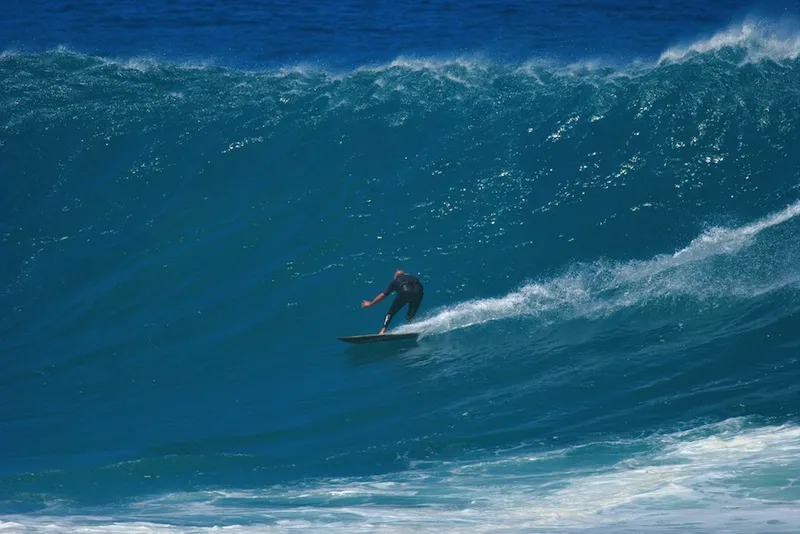
Totally bogus, man. Climate change could quell the biggest waves on Australia's east coast, a new study suggests.
Australia's monster swells are typically caused by storms in the Pacific known in Australia as east coast lows, which are driven by air pressure differentials. By the end of the century, climate change will change those pressure differentials such that Aussies can expect to see a third fewer killer waves, according to a study that published Mar. 9 in the journal Nature Climate Change.
Fewer big waves could also change the shape of beaches, as waves determine how much sand the ocean carries onto, and off of, the beach, Mark Hemer from CSIRO, Australia's national research organization in Hobart, told New Scientist.
Follow Tia Ghose on Twitter and Google+. Follow Live Science @livescience, Facebook & Google+.

